
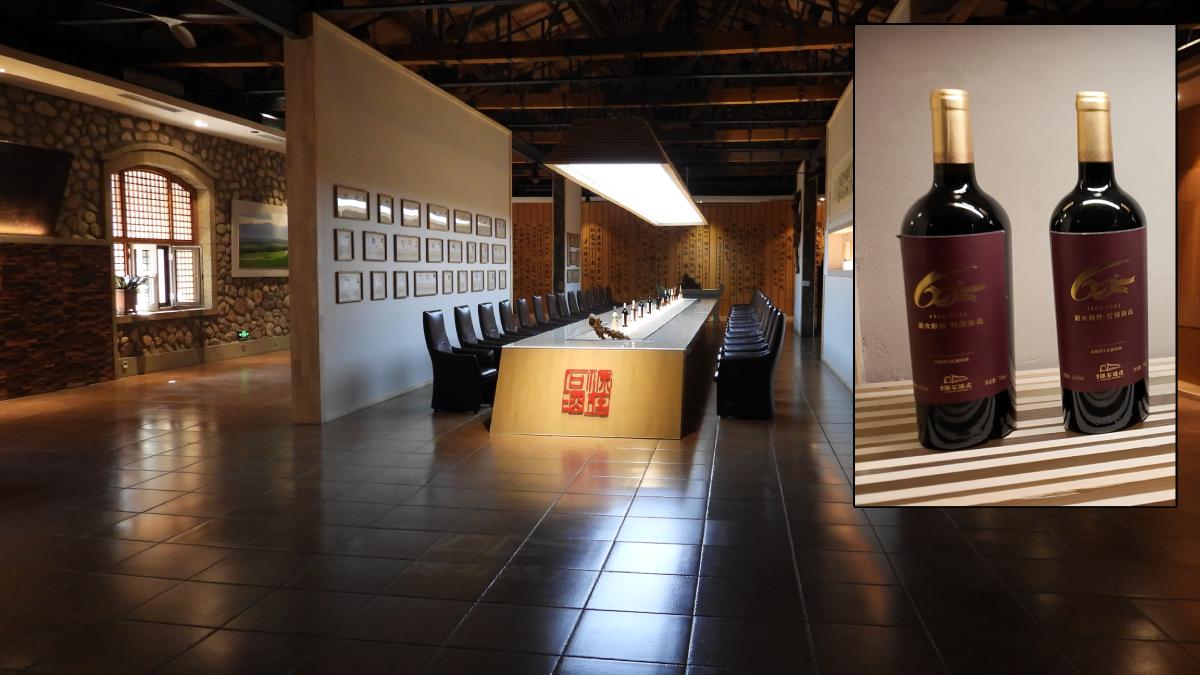
NewsVoice visited Yuanshi Vineyard in Ningxia Province, northern China. Chinese Wines have ancient roots but only became a serious modern industry in the late 19th century, with competitive quality emerging mainly since the 2010s. China has entered the Western markets.
Text, photo, and interview by T. Sassersson
Yuanshi Vineyard is a mid-to-large estate in the eastern foothills of Helan (pronounced ”heh-lahn”) Mountain, Ningxia, China, known for ecological restoration, Chinese-style architecture, and wine tourism.
Founder Yuan Hui built it from 2007 to 2008 and onward on a former abandoned gravel quarry. His daughter Yuan Yuan has managed the enterprise since 2015. The winery opened to the public in 2014 after major ecological restoration of roughly 400 hectares of barren mining land into vineyards, windbreaks, and green space.
Grape wine in China has ancient roots but only became a serious modern industry in the late 19th century, with competitive quality emerging mainly since the 2010s.
Vitis vinifera grapes arrived via the Silk Road. Documentation describes wine production in Central Asia and its introduction to China as early as the Han Dynasty (2nd century BC). Wine was made and enjoyed (especially by elites) in the Han and Tang dynasties.
Large-scale production began in 1892 when overseas Chinese entrepreneur Zhang Bishi founded Changyu in Yantai, Shandong, importing European vines.
International Masters of Wine recommended wines from Yuanshi in 2014. The wines have won various Decanter awards, including Silver and Bronze, for reds such as Son of Mountain Cabernet blends and Ruyi Marselan; earned high scores from critics like James Suckling on select bottlings; and were listed among the top Chinese wineries by Hurun. Main ranges include “Mountain” and “Shidai/Stone” series.
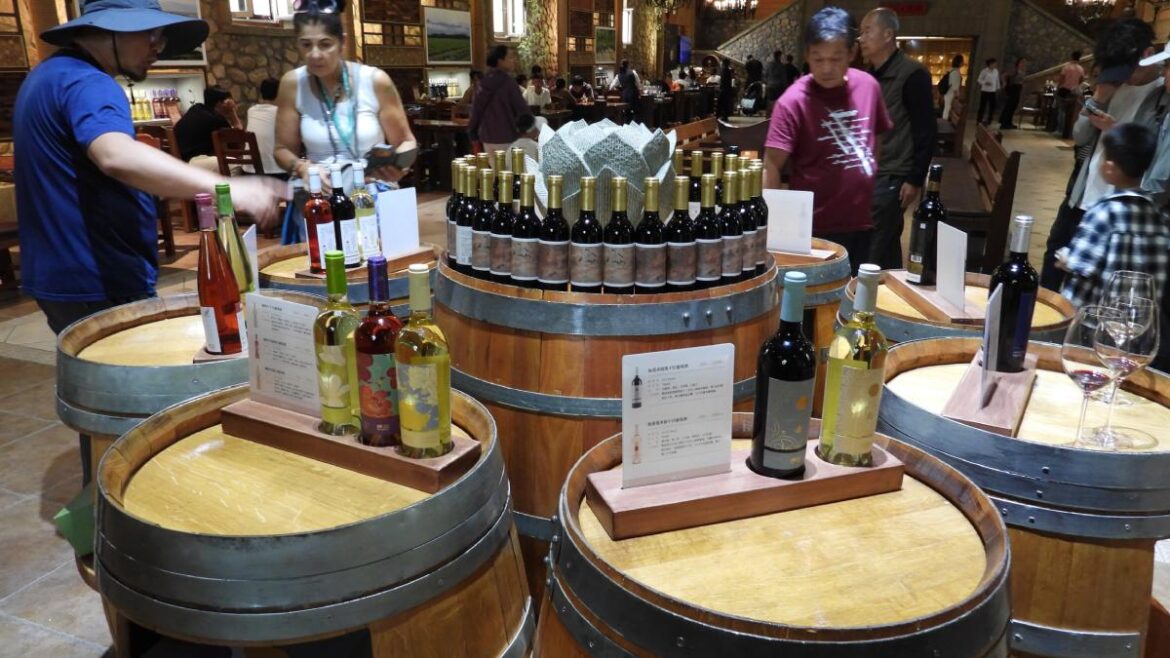
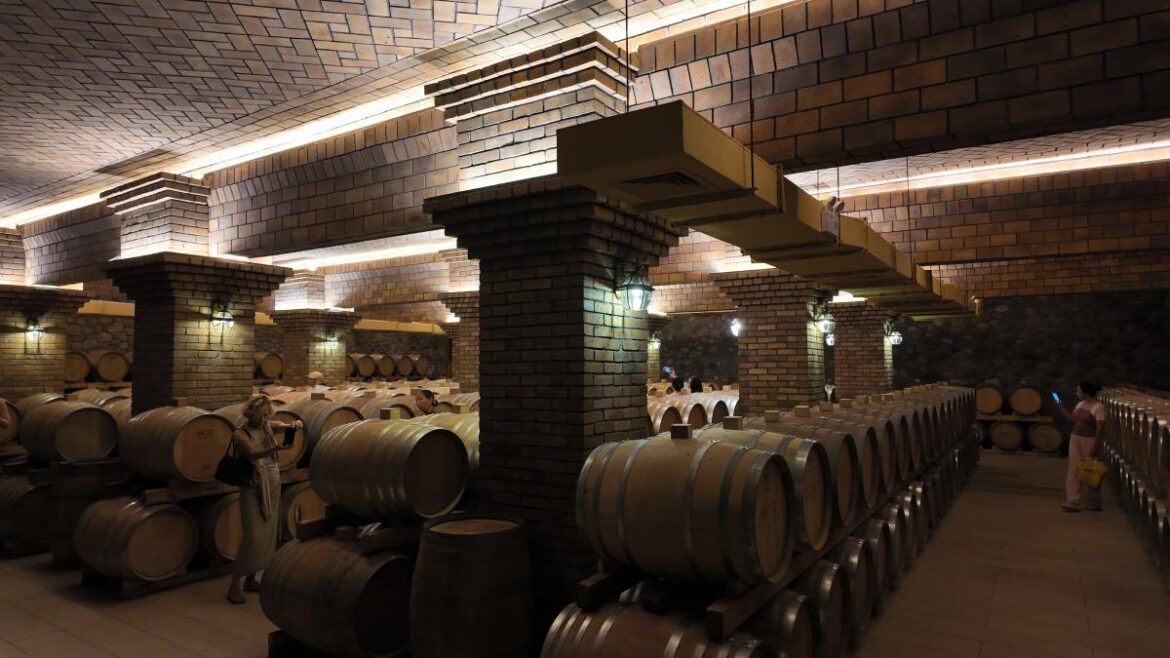
The 400-hectare Yuanshi vineyard includes Cabernet Sauvignon, Cabernet Franc, Marselan, and Chardonnay. Soils are gravelly and calcareous. The arid, sunny climate with big day-night swings suits concentrated fruit.
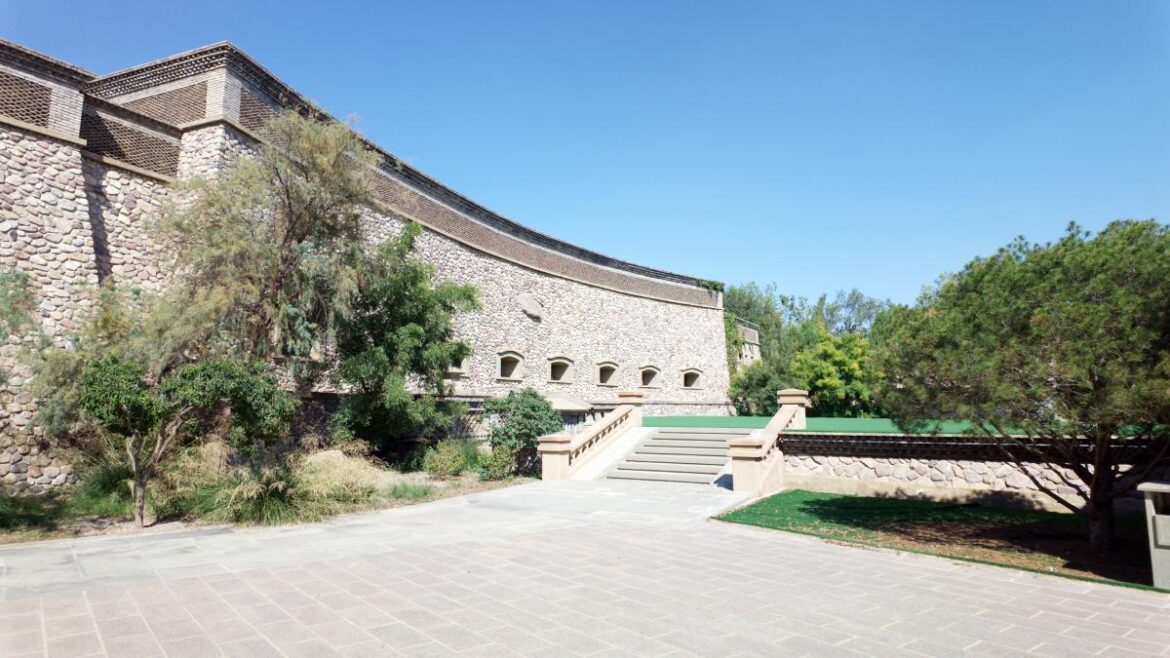
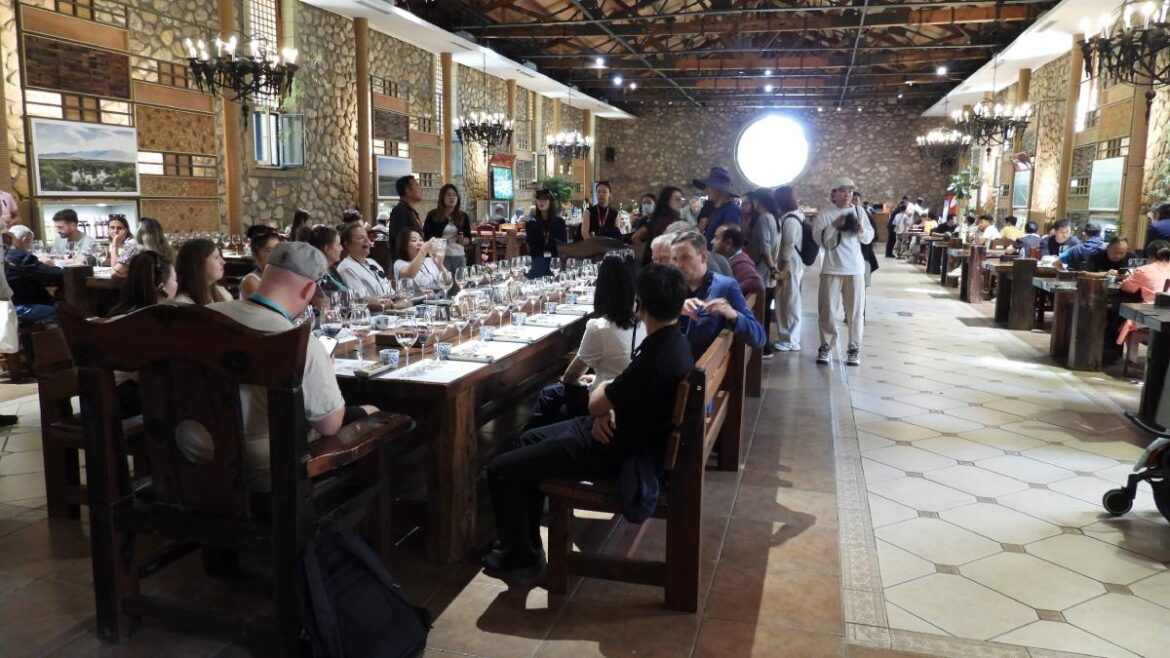
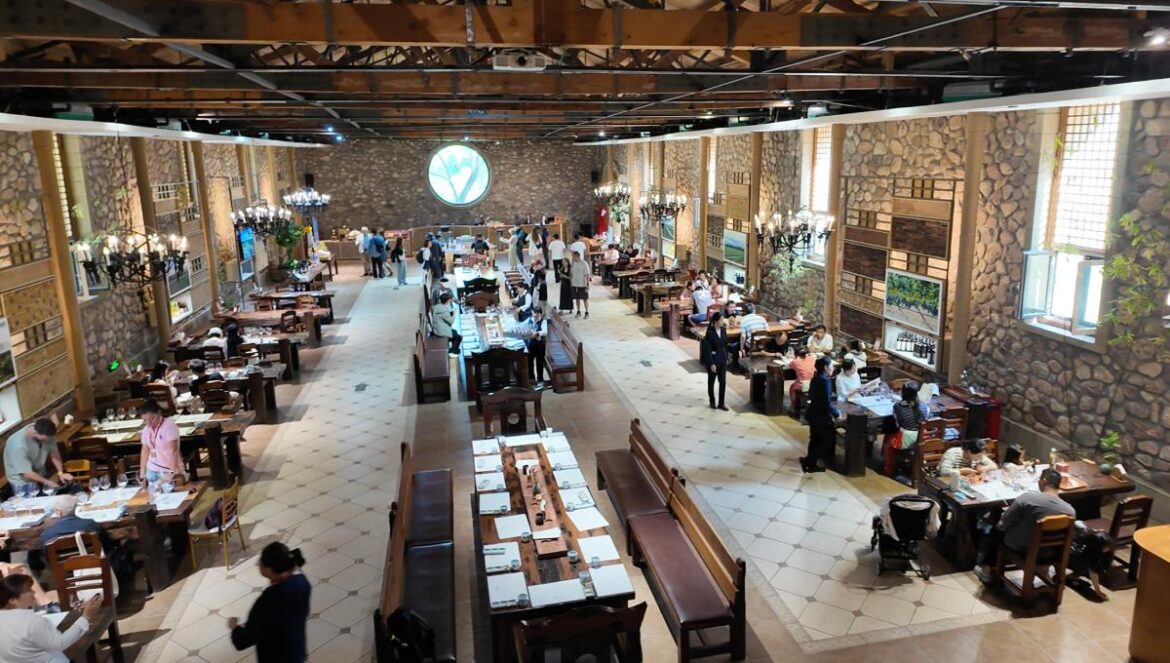
The Yuanshi Vineyard includes a distinctive Chinese garden and Han-inspired stone buildings made from local quarry materials. It is a national tourist attraction offering tastings, tours, and cultural experiences, drawing hundreds of thousands of visitors a year.
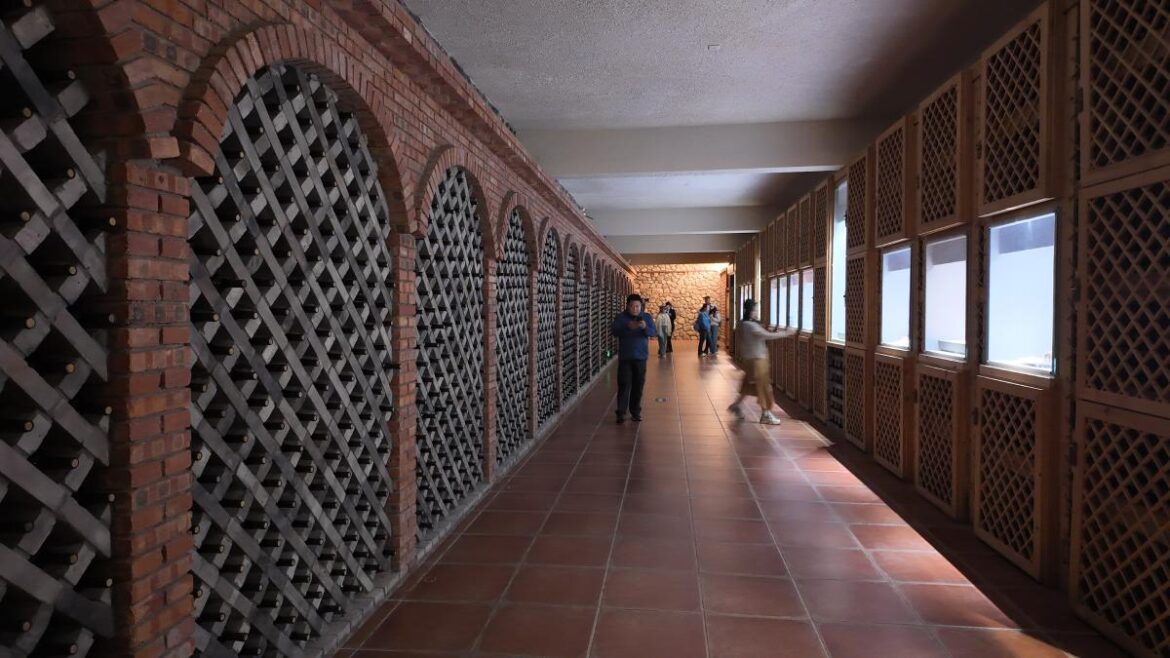
Comparison to other Chinese grape wineries
Ningxia, in the foothills of the Helan Mountains, is China’s premier modern wine region with over 200 wineries, producing the bulk of the country’s quality wine. It is known for structured, fruit-forward reds (especially Cabernet Sauvignon and the successful local favorite Marselan), with some whites.
Yuanshi’s wines are solid and award-winning, generally positioned as balanced, everyday-approachable estate wines rather than ultra-premium icons. Its standout features are the mine-to-vineyard reclamation narrative, distinctly Chinese architecture, and heavy investment in wine tourism.
Yuanshi is a successful example of Ningxia’s rapid rise, turning desert and mining land into productive vineyards, while emphasizing Chinese cultural expression and visitor experience alongside quality wine production.
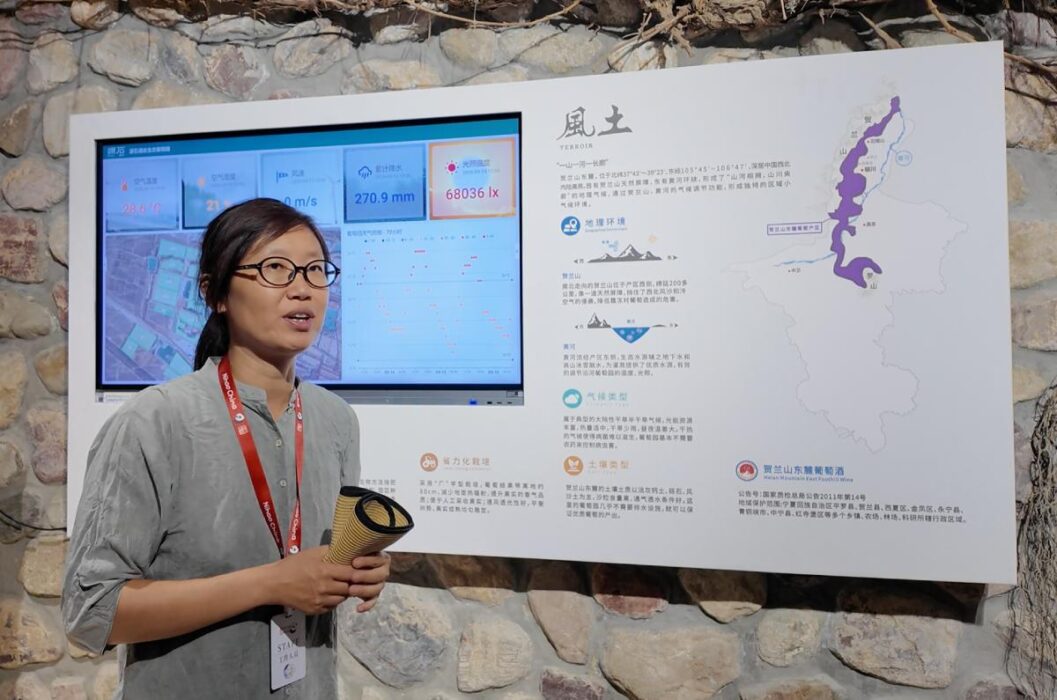
Chinese Wines are ready for the West
I had the opportunity to interview Chen ”Kiki” Shu, a wine expert and wine tasting travel entrepreneur (wineningxia.com).
How well known are Chinese wines in Europe?
”I would say Chinese wine, especially Helan Mountain wine, is still very little known among ordinary consumers in Europe. It is quite new internationally, and we spent a long time perfecting our skills and the wine itself in the domestic market. There is still a bit of a disconnect with the international market, but we are working on that.”
”Among industry professionals and in competitions, there is growing recognition, but at the consumer level it is still early.”
What makes Helan Mountain grapes special or unique compared to European regions?
”It is not really about having a completely different set of varieties. The international varieties are largely the same: Cabernet Sauvignon, Chardonnay, and so on. The difference lies in climate, soil type, and terroir, which shape the grapes and the wine. That is the fun part of wine.”
”For us, Marselan is a signature variety that performs exceptionally well here and has become something of a regional hallmark, though it originated in France. We still make Cabernet Sauvignon, Chardonnay, and other international varieties, and they show distinct characteristics here compared to other regions.”
Is there interest in exporting Helan wine to Europe or beyond?
”Yes, very much so. The region is actively looking to export. We are working on a platform called the Helan Mountain East Foothill wine European Hub, and we have already started preparing the first container to ship to Europe.
The idea is to build a platform to showcase Helan Mountain’s food and wine to European wine lovers. More broadly, Ningxia wines are already sold in about 40 countries, and wineries have been attending trade fairs in Europe to build those markets. So the interest is definitely there; the challenge is how to do it well.”
How many wineries are there in Ningxia and Gansu?
”For Ningxia, at the moment we have 261 wine enterprises, which means around 130 wineries that are already producing wine. For Gansu, I am not sure of the exact number, around 20 probably”.
What five or so attractions would you recommend in Ningxia and Gansu for European travelers?
”For Ningxia, I would recommend the Xixia tomb site in Yinchuan, of course. The wineries themselves- many are built into the mountain landscape and are worth visiting- the rock carvings at Helan Mountain, and the desert. Those are fun parts. If you add one more, maybe the Yellow River.
For Gansu, I think Dunhuang is great, and the Rainbow Mountains are great, those two scenic places are wonderful. Lanzhou has its own character, with the Yellow River passing by.”
Related
- Decanter China: The history of Chinese winegrowing and winemaking
- Ningxia Wines: wineningxia.com
- China Daily: Wine industry pours prosperity onto once-barren soil
- NewsVoice: ”Seeing Helan” – An Immersive Show About Thousand Years of Northern China’s History