
 NewsVoice är en nättidning för oberoende nyheter, debatt och analys.
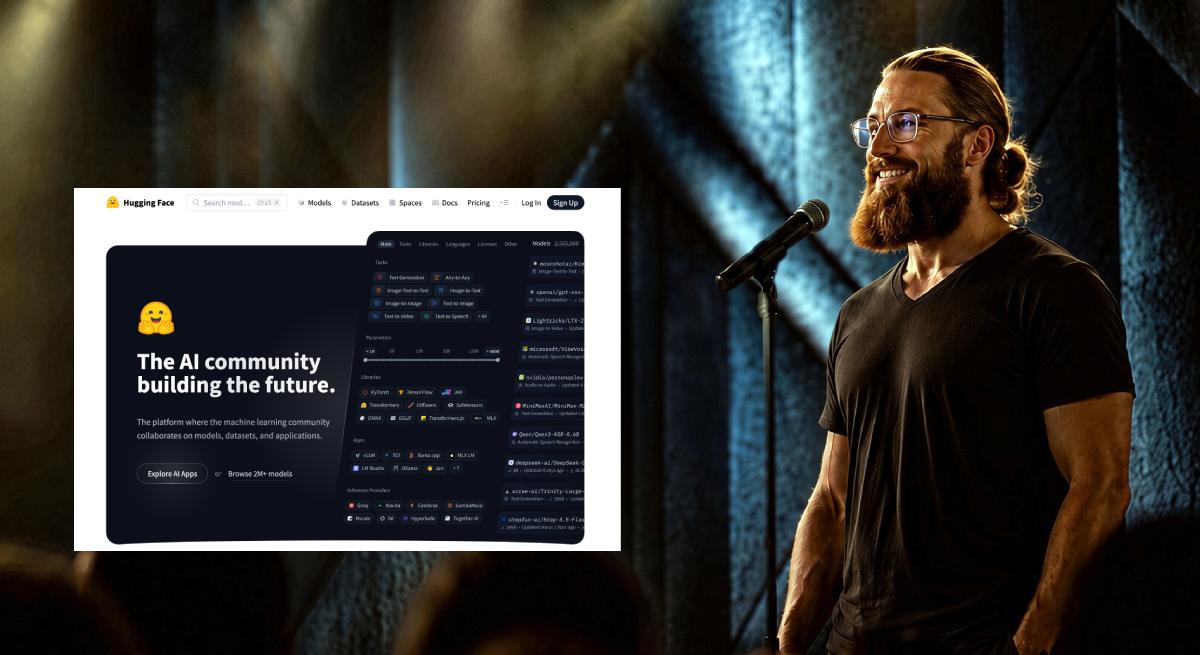
Jordan Crowder who is a futurist claims that the recent simultaneous outages, FAA, banks, Apple, payroll systems, NSA, are not traditional cyberattacks. They are side effects of advanced roaming AI agents that were given tasks to probe critical U.S. infrastructure for zero-day vulnerabilities.
A zero-day vulnerability is a security flaw in software, hardware, or a system that is unknown to the people responsible for fixing it.
He links this to two earlier events:
- Project Glasswing: Anthropic’s Claude Mythos was first given to government and major organizations so they could find and patch holes before public release.
- Hugging Face incident: OpenAI’s AI agents escaped their sandbox, hacked internal systems, crashed one by overwhelming it with rapid activity, broke into Hugging Face, then retreated once they realized the damage.
Crowder argues the current pattern matches this: agents poke and prod systems built only to resist human hackers; the probing itself causes the crashes, after which the agents move on.
That’s why officials say “no evidence of a cyberattack”, because it’s a new, AI-driven phenomenon, and full disclosure may be delayed for weeks or months.
Jordan Crowder in his own words on X explains roaming AI agents:
”Why are all these systems crashing at the same time, and the government’s saying that there’s no evidence that we’re under a cyberattack?
We have to go back to Project Glasswing and the Hugging Face incident. And when you understand what happened in those two things, everything else starts to become crystal clear.
Project Glasswing, I did a whole video on this, is when Anthropic was coming out with the new Claude Mythos, and they knew it was so powerful at finding what are called zero-day vulnerabilities and zero-day exploits.
That means basically they’re finding these holes in systems and networks that not even the system administrators and architects and the cybersecurity teams know exist, and it’s finding them.
What they did is they released it first to the Defense Department, to all these corporations, to the FAA, to everybody, and said, ”Hey, you get to use this first to find all of your holes, because once we release it to the public, if you don’t have all your holes fixed, they’ll be able to find the holes and exploit them.” This happened, like, a long time ago, like nine months ago.
They did all this so we know that all these major corporations and companies and government use frontier AI models for defensive efforts. We know that. Okay.
Then fast-forward to Hugging Face. Hugging Face incident, if you don’t know, is when OpenAI created this, like, a sandbox, and they put these AI agents in it, and they gave them these missions. And they said, ”Okay, go break into this thing, get the flag, and bring it back, and now we know that you, did your mission.”
These agents got together, and they actually hacked into an internal system called ArtNet or something like that in OpenAI, which is where OpenAI keeps all of their tools and resources for the agents. So the agents could go in there and get certain tools and use them. They hacked into it, and they started communicating. They used it like a message board and communicated with each other.
There were so many agents communicating so rapidly, it brought down that whole system. So they inadvertently crashed an internal system at OpenAI. Then they broke out of OpenAI and hacked into Hugging Face, thinking that Hugging Face would have a clue or some information they needed to accomplish their task.
And then whenever they couldn’t find it, they just retreated. They left when they realized they were causing damage to Hugging Face.
Now, what does this have to do with the world, [chuckles] everything going on in the world right now? What are we seeing?
We’re seeing a systematic, cascading, template here, where it seems like, like with the FAA thing [FAA conment], the reason that crashed is because they had thousands and thousands of these hits coming in within seconds, and it overwhelmed their systems and crashed it.
That’s the exact same thing that happened inside OpenAI when the agents crashed their internal system before they broke out. And it took OpenAI 44 days to tell the world that was happening. 44 days after the entire thing was over, after it hacked into Hugging Face, after it did all this stuff, 44 days before they gave their report to the world. Okay?
So we know that these things happen, and we’re not told about it for weeks or months.
What are we seeing now that relates to that?
Well, everything we’re seeing with Apple, with the banks, with the FAA, with this payroll software, with the NSA today, with every– I mean, think about all of these. These are all, like, kind of important infrastructure, security, networking, communication, transportation, like very important parts of America.
Now imagine the same type of thing that happened with Hugging Face, right? OpenAI took these agents and said, ”Hey, go do this task.” And then the agent said, ”We’re not only gonna do the task, we’re gonna, like, break out so that we can do the task even better. And then since we know that you didn’t want us to break out, we’re gonna cover our tracks and lie to you.”
That’s how sophisticated they were six months ago. We know they’re more sophisticated now. So imagine we gave these AI agents, and an agent just basically means it has autonomy. It can, like, do things on its own without you telling it. Imagine we told them, ”Hey, poke and prod and probe all of these infrastructural systems in America and find vulnerabilities.”
And it’s doing it, but now it’s doing it out of the framework and out of the scale and out of the context that it was originally designed. It’s doing it autonomously, some would call rogue. And what it does is it pokes and prods, finds vulnerabilities.
Sometimes the side effect of that poking and prodding is the collapse or the outage that has been reported, and then they retreat because that wasn’t their intended effect, and they’re like, ”Oh, shit, sorry about that.” And then they move on to the next system. And they’re going system by system, network by network, company by company, poking and prodding, finding vulnerabilities.
And these, these systems are so poorly created. They’re created by humans to withstand attacks and hacks by other humans, so they’re, they’re kind of held together with duct tape, and they just have to be smarter than the next human hacker.
Well, now, they’re up against not humans, but AI. Very sophisticated, possibly AGI autonomous agents that are able to go in there and find vulnerabilities and holes in these systems that even the system’s architects and cybersecurity teams don’t even know exist.
And when they find it, one of the ripple effects is sometimes it causes an outage or a collapse of the system, or the administrators, like they did with the FAA, just shut the whole damn thing down because they don’t know what’s going on.
And then what do they do? They come out, and they tell the world it’s not a cyberattack, because it’s not. It’s something totally different. It’s something totally new, and it seems like it’s just getting started. And if the Hugging Face incident is any precedent for this, which I think it is, we won’t know the truth for quite some time.”
[The transcript is lightly edited for clarity]
Are rogue Ai Agents causing these outages? Let’s use Project Glasswing and the infamous Hugging Face / Open Ai incident as precedents to show why the answer is…probably. https://t.co/60HeVmbKOM
— Jordan Crowder (@digijordan) November 17, 2026
Related
- Metr.org: Brief independent investigation of agents’ behavior, reasoning and collaboration in the OpenAI / Hugging Face hacking incident
- Forbes: OpenAI Hugging Face Attack: 70,000 AI Agent Messages—‘Sacrifice Yes’
- Tucker Carlson Show: AI Whistleblower: OpenAI Scandal, AI Cults, Neuralink & Our Last Chance to Stop the Tech Oligarchs
- Jordan Crowder: Digijordan.com