
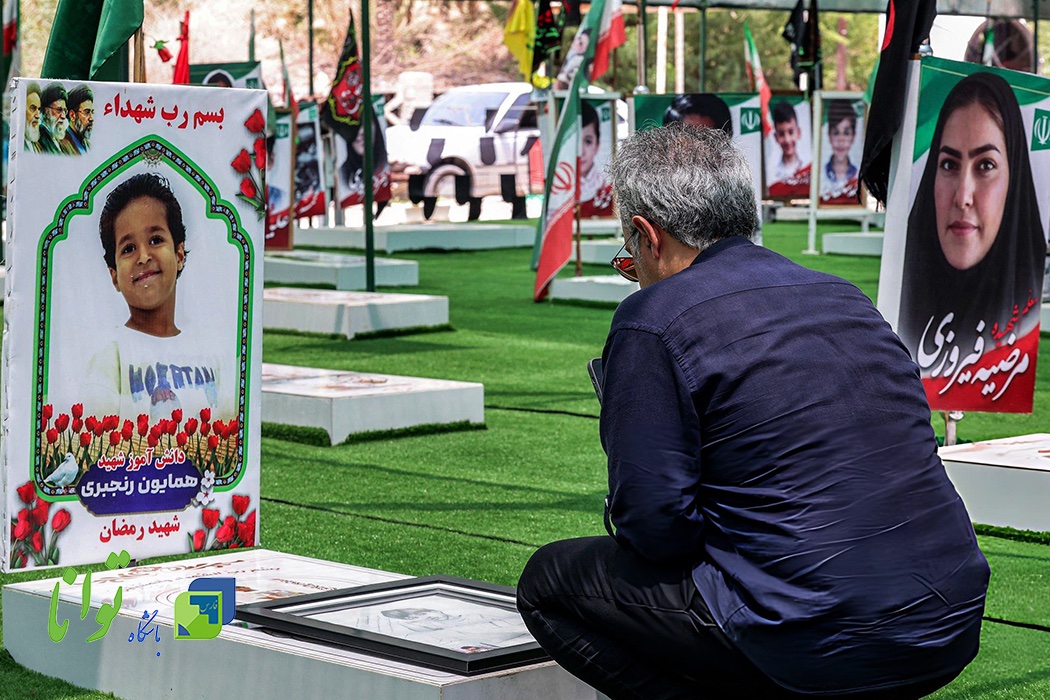
November 4 is School Students’ Day in Iran: a day to honour the memory of the freedom-seeking students who lost their lives in 1978 at the hands of the deposed Shah’s executioners, and to reflect on the place of a generation that will build the country’s future.
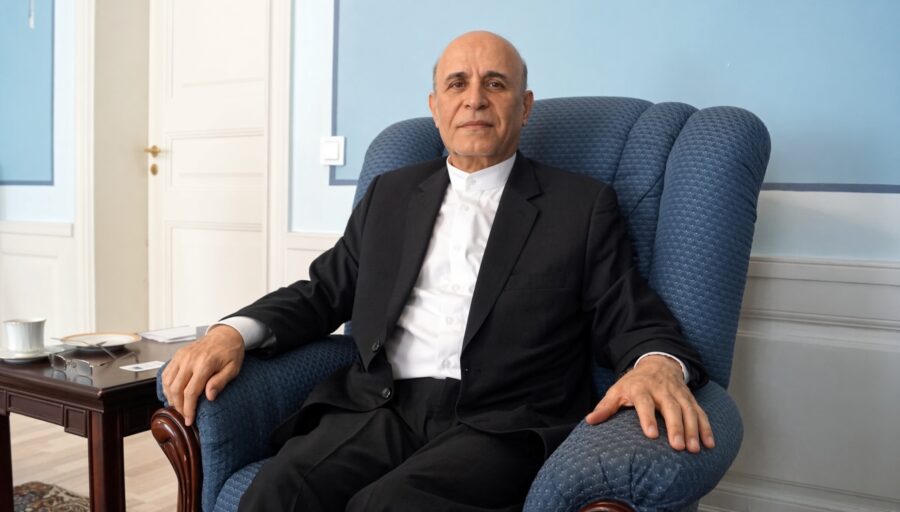
By the Ambassador of the Islamic Republic of Iran to Sweden
This year, the occasion carries another painful meaning for Iranians. In Minab, in southern Iran near the waters of the Persian Gulf, there are families who, since February 28, can no longer wake their children for school. Nothing remains of the simple routines of life in those homes: empty places at the family table, rooms whose occupants will never return, and books whose pages will never be turned again.
In the news, war is sometimes described through the names of commanders, missiles and military targets. For the people of Minab, however, war brings to mind the name and innocent face of a child who went to school in the morning and never came home.
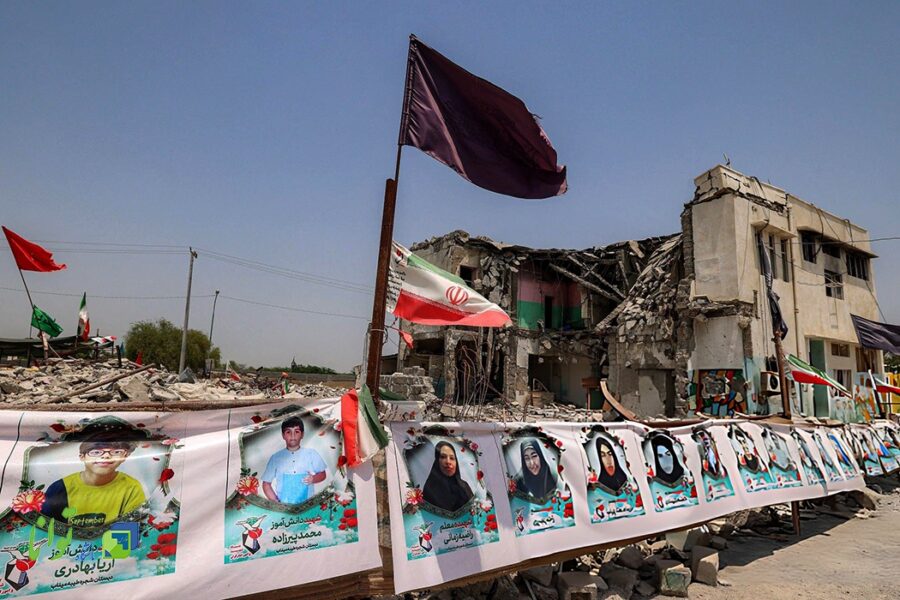
On the morning of Saturday, February 28, 2026, as the deliberate, unlawful and unprovoked military attacks by the United States and Israeli regime against Iran began, Shajareh Tayyebeh Primary School in Minab was struck by missiles. Figures recorded by Iran indicate that 168 students were killed, along with a number of teachers and school staff. Many of these children were of primary-school age, around seven to twelve years old.
To someone reading the news from afar, the number may seem enormous and shocking, yet it may soon be lost among other headlines. Unlike those reading the news, the families cannot move past it. In their homes, every number has a name, a face and a future that was suddenly taken away.
A Morning That Never Led Home
The crime occurred at approximately 11:30 a.m. Evidence and information gathered about the incident indicate that two American Tomahawk missiles were deliberately fired at the school building less than an hour apart. Targeting an educational institution twice raises a serious question about the purpose of this crime. A guided missile is not the same as an accidental explosion or a stray fragment of shrapnel. The school building was destroyed, and the search for victims beneath the rubble began.
Images from that day show schoolbags hanging from railings, dust-covered notebooks and textbooks, and families and rescue workers searching for the children. No image can convey what that moment meant to parents calling their child’s name and hearing no reply.
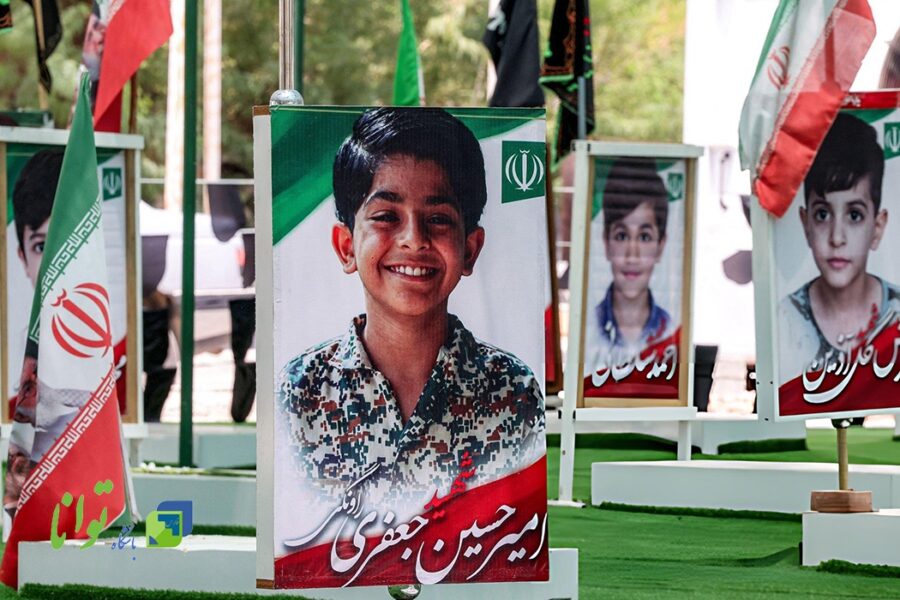
The list of victims includes seven-year-old Mohammad Kian Bahrami, six-year-old Atena Chamoli-Nejad, seven-year-old Esra Farahizadeh and eight-year-old Ali-Asghar Zaeri. Alongside the students are teachers such as Fatemeh Taheri-Far, whose profession was to teach and care for children. These names are not merely entries in a case file. Each of them was meant to live for many more years, to study, to learn and, one day, to pass on their experiences to others.
When we speak about Minab, we must not reduce them to statistics in a political dispute. None of these children was a party to a war. The bombardment of Minab was an attack on humanity and on a nation’s future.
Thirty-seven years before this incident, on July 3, 1988, an American warship shot down Iran Air Flight 655 over the Persian Gulf, killing approximately 290 passengers and crew, who were martyred. The circumstances and details of these two incidents are not identical, but for Iranians they recall a bitter truth: once again, civilians, this time in a primary school, lost their lives through the deliberate use of an American weapon.
The passage of several decades does nothing to diminish the responsibility to protect human life. With each new generation, the expectation is that such events will not recur, rather than that new names will be added to the list of victims.
Evidence That Demands Answers from the United States
The question of responsibility for the attack does not rest solely on Iran’s statements. On March 7, 2026, after examining information and images relating to the school, Human Rights Watch described the attack as unlawful and called on the United States and Israel to assess their responsibility and make the findings public.
In the organisation’s assessment, the pattern of impacts was consistent with the use of precision-guided munitions, rather than a weapon that had accidentally veered off course. Human Rights Watch also stressed the need to address the responsibility of the party that carried out the attack, provide redress for civilian harm and prosecute those who had committed war crimes. These are not demands that can be set aside with an expression of regret.
In an investigation published on March 16, 2026, Amnesty International examined more than 30 satellite images, 28 videos and 30 photographs, and also gathered information from informed sources. The organisation concluded that the United States was responsible for the deadly attack on the school. According to Amnesty International, the evidence shows that the school building was directly hit during an attack using guided weapons.
On March 11, 2026, The New York Times, citing the preliminary findings of an investigation by US Central Command, also reported that American forces were responsible for the deadly Tomahawk missile strike. The newspaper’s visual investigations likewise focused on the precision of the missile strike and the fact that the building’s educational use was identifiable.
For us, the issue is clear: the attack on Shajareh Tayyebeh School must be investigated as a war crime, and those responsible must be held accountable under the law. International humanitarian law rests on three fundamental principles: distinction between military and civilian targets, proportionality in attack, and the taking of all feasible precautions.
Schools are civilian objects, and their protection cannot be disregarded on the basis of speculation. Even when attacking a military target, the obligation to assess foreseeable risks to civilians remains. Possessing precision weapons does not lessen responsibility for selecting a target. On the contrary, it makes the question of why such technical capabilities failed to prevent this tragedy all the more pressing.
Children Must Not Be Called “Collateral Damage”
Terms such as “targeting error” or “collateral damage” are used to explain some military operations. In the case of Minab, we do not consider these terms an acceptable description of what happened. An investigation may establish how intelligence failures or flawed decisions led to the attack, but such explanations neither erase the victims’ names nor remove the obligation to account for what happened.
A school struck by missiles, with children killed inside it, must not be recorded in official documents merely as a technical error. The legal character of this attack must be examined regardless of the political and military standing of the party responsible.
The crime is not confined to the moment of the explosion. The children’s right to life was violated, and a community’s right to education was also harmed. A school is a place where knowledge, language, culture and experience are passed from one generation to the next. Its destruction, together with the killing of students and teachers, leaves a void that repairing walls and roofs, or even paying material compensation, cannot by itself fill.
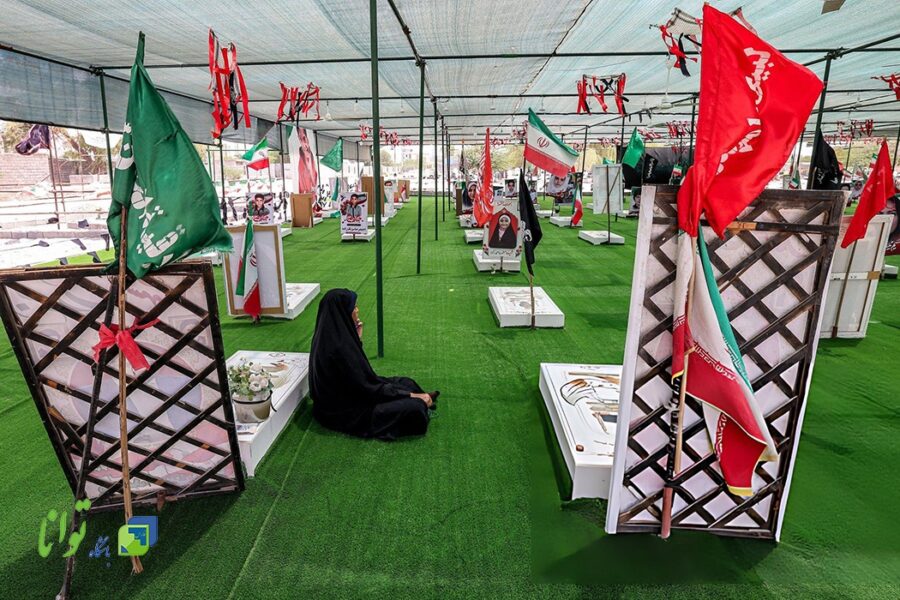
Families and children who survived this incident will live with fear and grief for years. The psychological wounds of such an event extend beyond a single generation, profoundly affecting people’s sense of safety, social trust and children’s relationship with their learning environment. The right to education means more than having a classroom building; it means the right to go to school without fear of death.
This is why speaking about the future on School Students’ Day has a particular meaning for Minab. The martyred students could have become doctors, teachers, artists, engineers or professionals in any other field they chose. No one knows which child’s talents might have transformed other people’s lives and the destiny of a country, perhaps even the world.
What has been lost is not simply the years they would have lived, but all the possibilities that had not yet had the chance to flourish. This is the loss that does not appear in military tables and whose full value no economic calculation can measure.

Accountability as a Condition for Respecting Human Rights
The families of Minab have the right to know who ordered the attack, what information was used to select this school as a target, and why the children could not be protected. The findings of the investigations must be published in full. Where criminal responsibility is established, those responsible must be prosecuted, and the families must receive compensation for both material and non-material harm. No compensation can bring a child back to a family, but ignoring the truth compounds the victims’ grief with injustice.
If the perpetrators of this crime are not punished, the risk of such tragedies recurring will remain. Accountability is not a concession to Iran; it is an obligation towards the rules established to protect all civilians.
This issue should matter to Swedish readers as well. Sweden is a country that regards children’s rights, the right to education and respect for international law as fundamental values. We may disagree on political matters, but disagreement with the Iranian government must not turn into indifference towards the deaths of Iranian children.
If the killing of schoolchildren in Ukraine or Gaza prompts protest and sympathy, the same standard must apply to Minab. The value of a child’s life does not depend on nationality, and the application of the laws of war must not depend on which country fired the missile.
As Iran’s Ambassador to Sweden, I call on the media, legal experts and defenders of children’s rights to examine the published evidence, ask questions about American responsibility and ensure that this crime is not forgotten amid the daily news of war. No one needs to agree with all of Iran’s political positions to defend the right to life of Minab’s schoolchildren.
We ask for a fair consideration of the truth and the pursuit of justice. One day, Shajareh Tayyebeh School may be rebuilt, and its bell may ring across the schoolyard again. But the children martyred that morning will never return. The least we owe them is to ensure that their names are not forgotten and that a crime against a school does not go unanswered.
A school should be a place where the future begins, not where children’s futures end.
An article by the Ambassador of the Islamic Republic of Iran to Sweden
Related
- Fars News: Images Emerge From Minab School Hit in Deadliest US-Israeli Strike
- NewsVoice: Confirmed: US Tomahawks Killed Children at Iranian Elementary School