
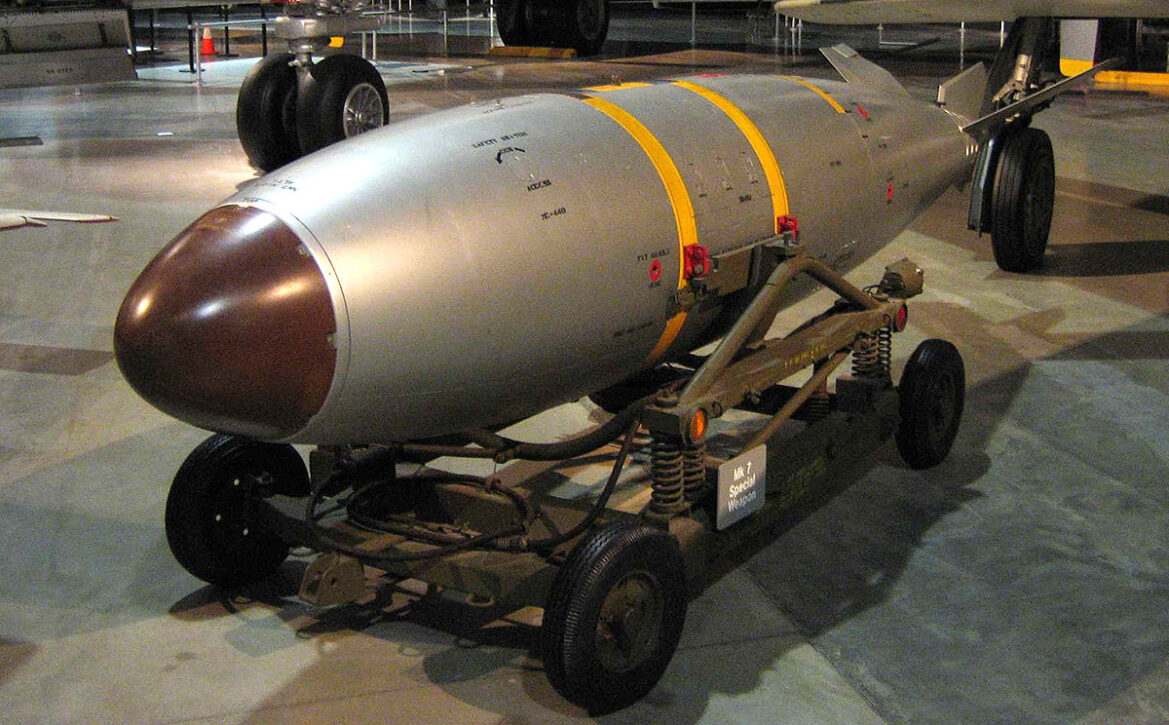
Russia’s state-funded broadcaster RT recently made the editorial decision to adapt an article from a Russian-language magazine, broadcasting a prominent Russian academic’s grave nuclear warnings internationally.
The article, originally published in Profile—a magazine with minimal Western readership—contained a direct warning about nuclear escalation risks from the West’s indirect military engagement with Russia in Ukraine:
”Attempting to inflict a strategic defeat on a nuclear-armed power by proxy is extremely dangerous. It risks triggering a nuclear backlash.”
The article goes on to explain that, as a result of this, Russia might soon shift from a ”passive posture to active demonstration” of nuclear deterrence, including placing tactical nuclear weapons on combat duty, resuming nuclear tests, or conducting retaliatory strikes outside Ukraine. RT’s version of the article also recapitulated what Moscow has attempted to get across to leaders in the West for several years now:
”Any state facing an existential threat – even from conventional weapons – cannot be expected to forgo its nuclear option.”
In short: Even a conventional attack, if at any point Moscow starts to perceive it as an existential threat to Russia, risks resulting in a nuclear response.
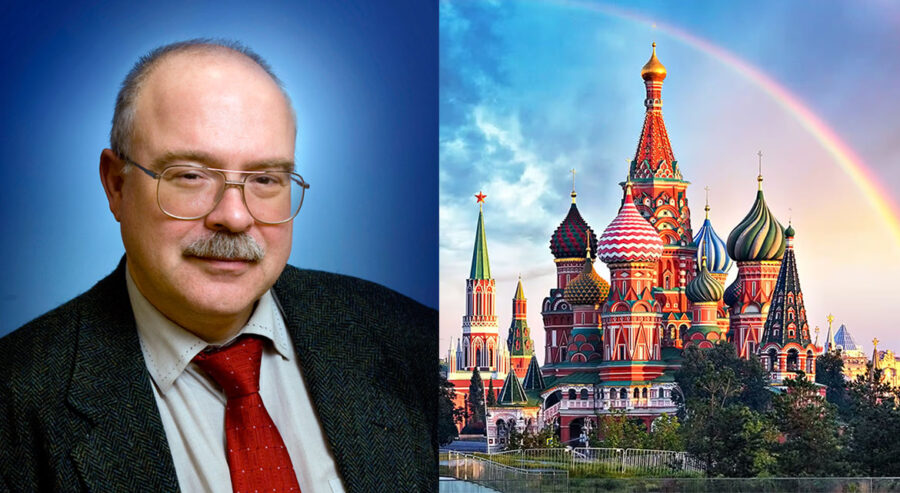
The author of the warning, Dmitry Trenin, brings considerable credibility as director of the Institute of World Military Economy and Strategy at the Higher School of Economics and a member of the Russian International Affairs Council (RIAC), Russia’s premier foreign policy organisation.
Despite RT’s global amplification, the repeated warnings have not generated responses from major Western publications or think tanks. Foreign Affairs, The Washington Post, and The Atlantic Council have so far chosen to remain silent on Trenin’s warning about war escalation dynamics.
The official silence in Europe jars with the rapidly growing concern among its population and the political opposition, which is against continued support for the West’s surrogate war against Russia.
At the heart of the problem in Europe, Trenin identifies a hegemonic U.S. influence on strategic thinking: Politicians in ”advanced democracies” like Britain and France have ”long ago lost the capacity to conduct independent foreign or military policy” and are certainly ”capable of staging provocations” but ”lack the ability to manage their consequences.”
Instead of pausing and listening, political leaders across Europe relentlessly continue to pursue NATO rearmament with the intention to go to war directly with the Russian Federation within a decade.
Sources
- RT: Dmitry Trenin: Why the next world order will be armed with nukes
- Профиль: Какую роль ядерное оружие играет в современных международных отношениях
