
 NewsVoice är en nättidning för oberoende nyheter, analyser, reportage och debatt.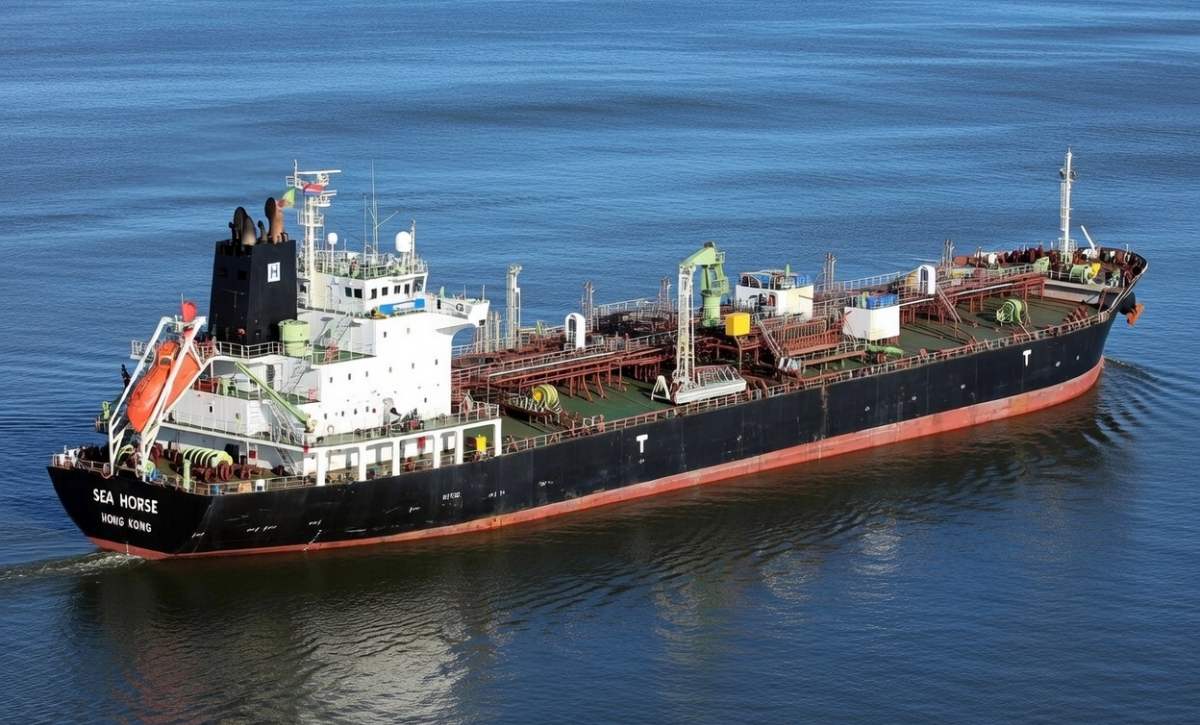
Russian President Vladimir Putin has reportedly directed efforts to circumvent the United States’ stringent Cuba Blockade, dispatching a tanker laden with vital fuel supplies to the island nation.
The vessel, identified as the Sea Horse, is transporting approximately 200,000 barrels of Russian gasoil – a diesel-like fuel essential for transportation and electricity generation – in a direct test of President Donald Trump’s sanctions aimed at isolating Cuba’s energy sector.
The shipment comes as Cuba grapples with a severe energy crisis, exacerbated by U.S. restrictions that have halted oil deliveries from key suppliers like Venezuela and Mexico.
Russian officials have framed the delivery as humanitarian aid, with Putin publicly condemning the blockade as ”unacceptable” during a recent meeting with Cuban Foreign Minister Bruno Rodríguez Parrilla. ”We do not accept anything like this,” Putin stated, emphasising Moscow’s commitment to supporting its long-time ally.
This rhetoric has fueled speculation that the operation represents a deliberate provocation, echoing Cold War-era standoffs in the Caribbean. Moscow is positioning itself as a counterweight to U.S. influence in Latin America.
The Sea Horse, a chemical/oil products tanker built in 2002 and flying under an unspecified flag, underwent a ship-to-ship transfer off the coast of Cyprus to load the Russian-sourced cargo before proceeding westward.
Maritime tracking data indicates the vessel departed from a bunkering area near Malta on February 7 and has since traversed the Mediterranean, passing Gibraltar, and entering the Atlantic Ocean. As of the latest reports, the Sea Horse is positioned at approximately 35.9°N, 25.1°W – roughly midway across the Atlantic – travelling at 9.8 knots on a westerly course of 270 degrees.
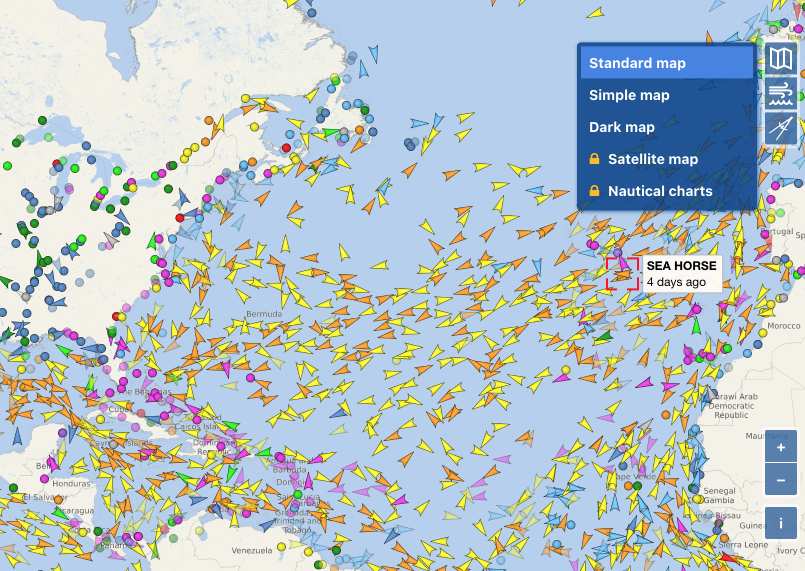
Although its officially reported destination is ”Gibraltar for orders” with an outdated ETA of February 13, intelligence from firms like Kpler suggests it is bound for Havana or another Cuban port, with an expected arrival in early March, potentially around March 5 based on current speed and trajectory.
U.S. officials have yet to comment specifically on the Sea Horse’s voyage, but the blockade has already led to the seizure of at least nine vessels suspected of violating sanctions.
The Trump administration has intensified patrols in the region, with the U.S. Navy actively monitoring traffic to enforce the embargo. Analysts warn that any attempt to intercept the tanker could escalate tensions, drawing parallels to historical naval confrontations between superpowers.
Notably, there are no confirmed reports of Russian naval vessels escorting the Sea Horse. Despite Moscow’s naval presence in the Atlantic and occasional deployments to Cuban waters – such as a group of warships that visited Havana in June 2024 – current intelligence and open-source tracking show the tanker proceeding unaccompanied.
Russian Foreign Minister Sergey Lavrov has urged Washington to abandon what he called plans for a ”sea blockade,” but Kremlin spokespeople have not addressed potential military protection for the shipment.
Sources
- Marinetraffic.com: Sea Horse route
- Marinetraffic.com: Sea Horse
- Bloomberg: Cuba-bound tanker carrying Russian fuels to test Trump blockade
- CNBC: Russia’s Putin slams U.S. oil blockade on Cuba: ‘We do not accept…
- Vesselfinder.com: Sea Horse route