
One month into the US-Israel war on Iran, launched February 28 with Operation Epic Fury and Roaring Lion, NewsVoice summarises the past four days (March 26-29). Iran has retaliated, destroying or damaging most US military bases while Tel Aviv is heavily bombarded.
Escalation risks remain high, with fresh US Marine deployments signalling ground operations.
US and Israeli forces maintained a high operational tempo over the weekend, focusing on missile production, launch infrastructure, and government support networks.
The IDF struck the Arak heavy-water plant (Khondab reactor) and Ardakan Yellowcake Production Plant, rendering them non-operational.
Waves of strikes on March 28-30 hit military command centres, the Parchin complex, Marine Industries facilities, and a petrochemical plant northwest of the capital. Power outages affected parts of Tehran, though Iranian officials said electricity was restored by March 30.
Israeli airstrike levelled a building at the Iran University of Science and Technology on March 28, which Iran described as part of a pattern targeting educational sites.
Simaei, Iran’s Minister of Education: So far, the enemy of Iran has attacked 20 universities and higher education centers; the path of science in Iran continues!
Iran’s Minister of Education:
🔹 Since the beginning of the Ramadan war until now, about 20 universities and… pic.twitter.com/lkSf8ls3qr— Sprinter Press (@SprinterPress) March 29, 2026
Iran has responded with persistent missile barrages. Multiple barrages struck southern and central Israel. On March 29, a missile barrage ignited a fire at a chemical plant in the Neot Hovav industrial zone near Beersheba. Earlier strikes damaged homes and vehicles near Jerusalem (Eshtaol) and caused fires in industrial zones.
Hezbollah and Houthi allies contributed drones and rockets.
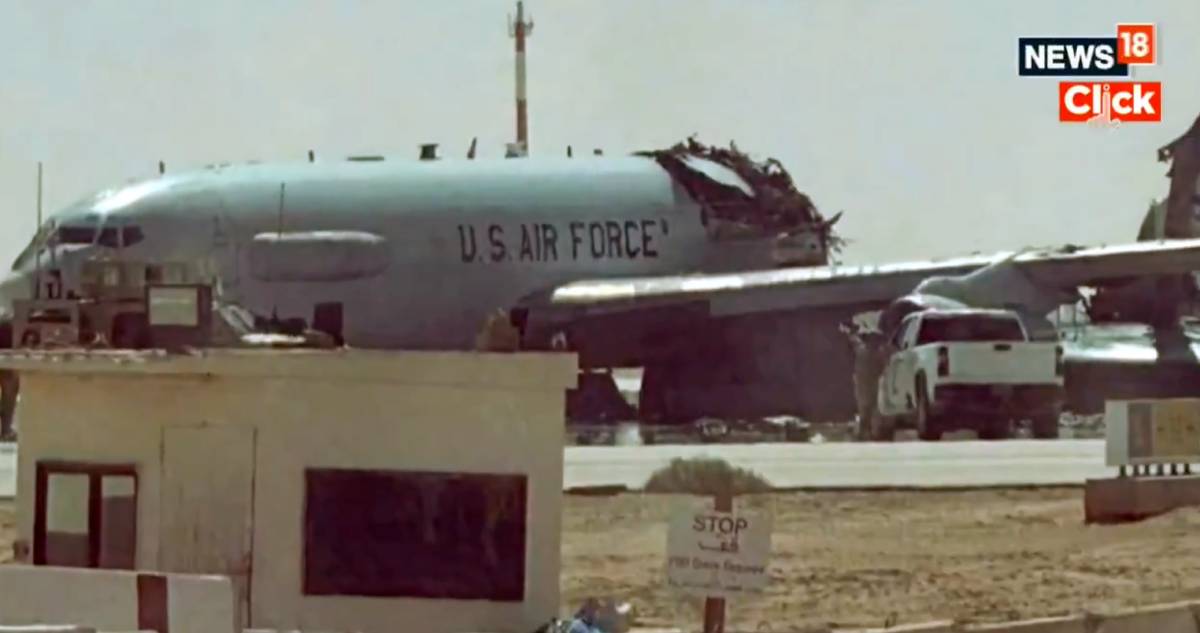
Iran launched missiles and drones at Prince Sultan Air Base in Saudi Arabia (March 28), wounding at least 12 US service members (some seriously) and damaging KC-135 tankers and an E-3 Sentry AWACS aircraft.
Additional strikes hit facilities in Kuwait, Bahrain, and UAE-linked sites.
Iran’s Revolutionary Guard Corps (IRGC) warned it would target US and Israeli officials’ residences if escalation continues and threatened to treat foreign universities in the region as legitimate targets absent guarantees for Iranian academic sites.
Oil prices climbed toward $115 per barrel amid Strait of Hormuz disruptions, though Iran has allowed limited “non-hostile” shipping. Asian markets fell on war and energy worries.
Pakistan is hosting regional talks this weekend, relaying a US 15-point proposal that includes reopening the Strait, missile limits, sanctions relief, and nuclear rollback.
President Trump has extended deadlines for striking Iranian energy infrastructure and floated seizing Kharg Island, Iran’s key oil terminal, as one option.
Iran’s parliament speaker dismissed direct negotiations but acknowledged reviewing the plan.
The Pentagon has deployed an additional 2,500-3,500 Marines aboard the USS Tripoli and other assets, with reports of paratroopers and amphibious forces preparing for potential limited raids (e.g., islands or Hormuz-related targets).
Israel has ruled out ground troops but continues air support. Iran has dispersed forces and warned of “setting US troops on fire” in any ground incursion.
Analysts expect the next week to hinge on whether diplomacy yields a ceasefire or if US-Israel strikes expand to remaining energy sites after Trump’s pause expires around April 6-7.
Proxy activity from Hezbollah, Houthis, and Iraqi militias could widen the conflict.
The war has already displaced hundreds of thousands, strained global energy markets, and claimed lives across multiple fronts.
Sources
- BBC: Photos show heavily damaged US radar jet at Saudi base
- ABC News: 300 U.S. soldiers wounded as Israel vows to escalate strikes on Iran
- Aljazeera: Iranian academic describes US-Israeli attacks on Iran’s universities
- AP: Live updates: Trump suggests US could take Iran’s Kharg Island
- Aljazeera: Iran hits industrial zone in southern Israel