
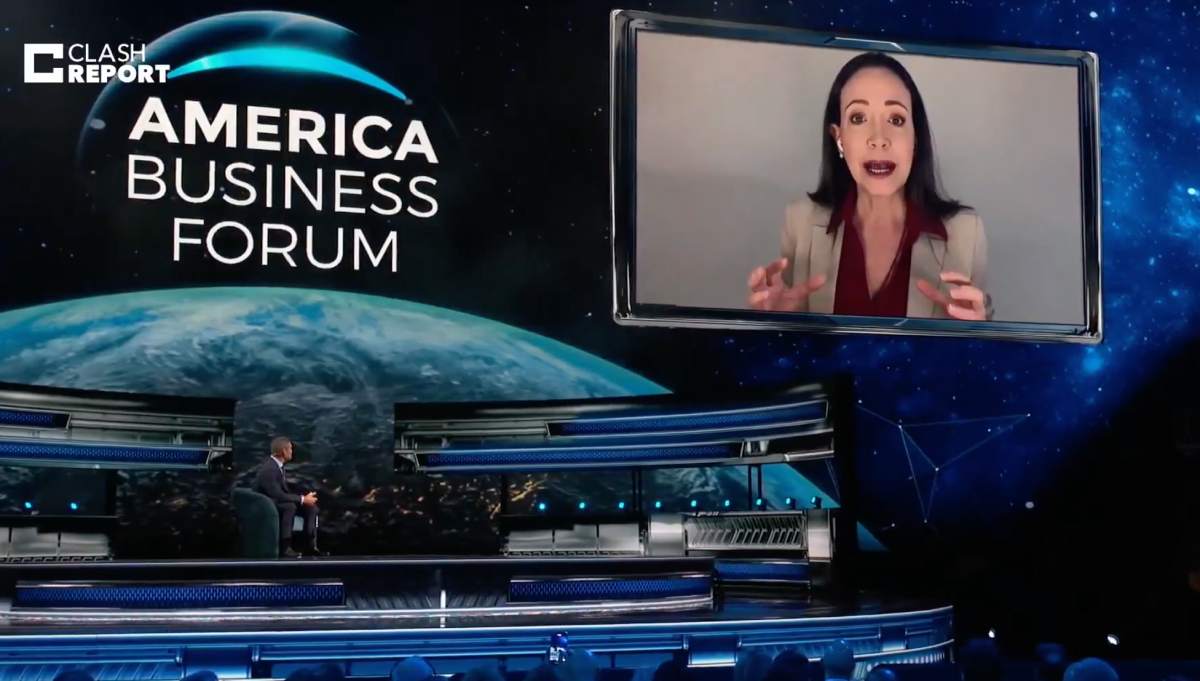
The Nobel Committee’s decision to award the 2025 Peace Prize to Venezuelan opposition leader María Corina Machado has sparked widespread criticism. She is hailed as a champion of democracy, but her links to coup attempts, sanctions, and US strategic interests make the decision difficult to defend.
By Gustaf Rydelius
For over 20 years, Machado has been a central figure in the opposition to Hugo Chávez and Nicolás Maduro. In 2002, she supported the coup attempt against Chávez by signing the Carmona Decree, which dissolved the country’s constitution. The US recognised the coup leader within hours. At the same time, her organisation Súmate was funded by the National Endowment for Democracy, which is often linked to US foreign policy projects.
Since then, Machado’s line has continued to be closely aligned with US interests. She has collaborated with think tanks funded by ExxonMobil and Chevron and promised to privatise Venezuela’s oil assets, which would give the US considerable influence over the world’s largest oil reserves.
Her policies have also contributed to violence. During the 2014 protests, which she partly led, at least 43 people were killed. That same year, a recording was leaked in which she discussed destabilisation and new coup attempts. Machado is also one of the leading advocates of US sanctions, which, according to several reports, have caused mass poverty and thousands of civilian deaths.
She has praised Israeli Prime Minister Benjamin Netanyahu, who is the subject of an arrest warrant from the International Criminal Court, and supported Donald Trump, to whom she even dedicated the Nobel Peace Prize. US military attacks on Venezuelan boats have continued, usually resulting in fatalities. Pete Hegseth, one of those who has pushed this line, is now under investigation for suspected war crimes after reports that he ordered that no survivors be left behind.
Against this backdrop, it is worrying that Sweden’s Defence Minister Pål Jonsson recently held private meetings with Hegseth. When Swedish and Norwegian leaders talk about a “rules-based world order” but avoid taking a stand against these abuses, a pattern emerges: the Nordic countries, formerly known for diplomacy and peacemaking, now risk legitimising militarism. This is a depressing development for countries that once contributed to resolving conflicts.
The Nobel Committee has previously been criticised for similar misjudgments. Henry Kissinger received the Peace Prize in 1973 despite the mass bombing of civilians in Southeast Asia. Barack Obama retained his 2009 prize while the US intensified drone strikes and military interventions. This year’s decision risks becoming yet another example of how the prize’s purpose is compromised.
There are also signs of political influence. In August 2024, Senator Marco Rubio, now Trump’s Secretary of State, along with other Republican leaders, sent a letter to the Nobel Committee proposing Machado as a candidate. Critics argue that the prize risks legitimising a US-backed regime change rather than peace.
When the Peace Prize goes to a politician with links to coup attempts, inhumane sanctions, and military attacks, it becomes clear that the prize is increasingly being used as a tool in a power game. This is far from the idea of peace that Alfred Nobel wanted to promote.
For the Peace Prize to regain its credibility, an independent review of the nomination process is required. The Nobel Committee must demonstrate that the prize can once again be free from political influence and rest on the moral responsibility that Alfred Nobel intended.
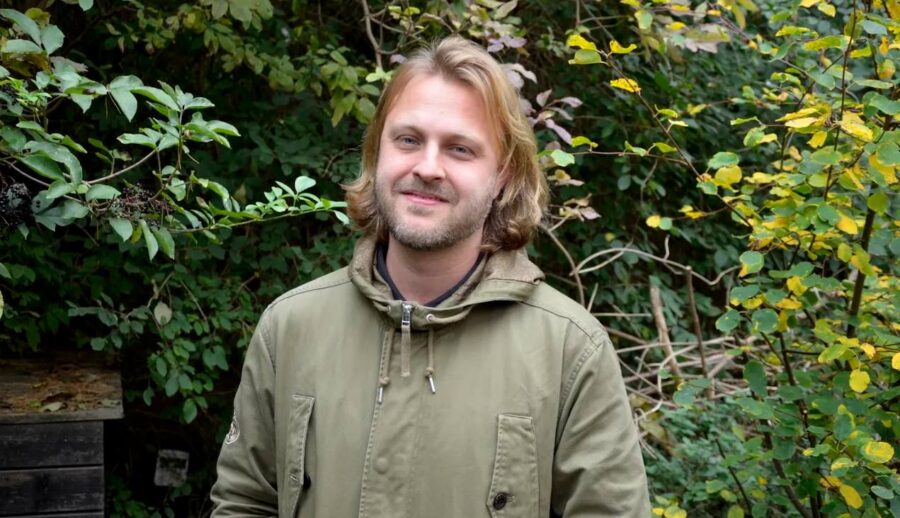
By Gustaf Rydelius, party leader of MoD – Human Rights and Democracy
Gustaf Rydelius is the party leader of MoD and a lecturer in the history of ideas, geopolitics, and social development. For many years, he has immersed himself in issues of power structures, freedom, and social change processes, and conducts independent research in philosophy, religion, history, and geopolitics. Gustaf regularly lectures on economic and political history, including via his YouTube channel. His social engagement emerged during the Occupy movement and is now characterised by a desire to increase understanding of global power relations and contribute to a more just and transparent society.