
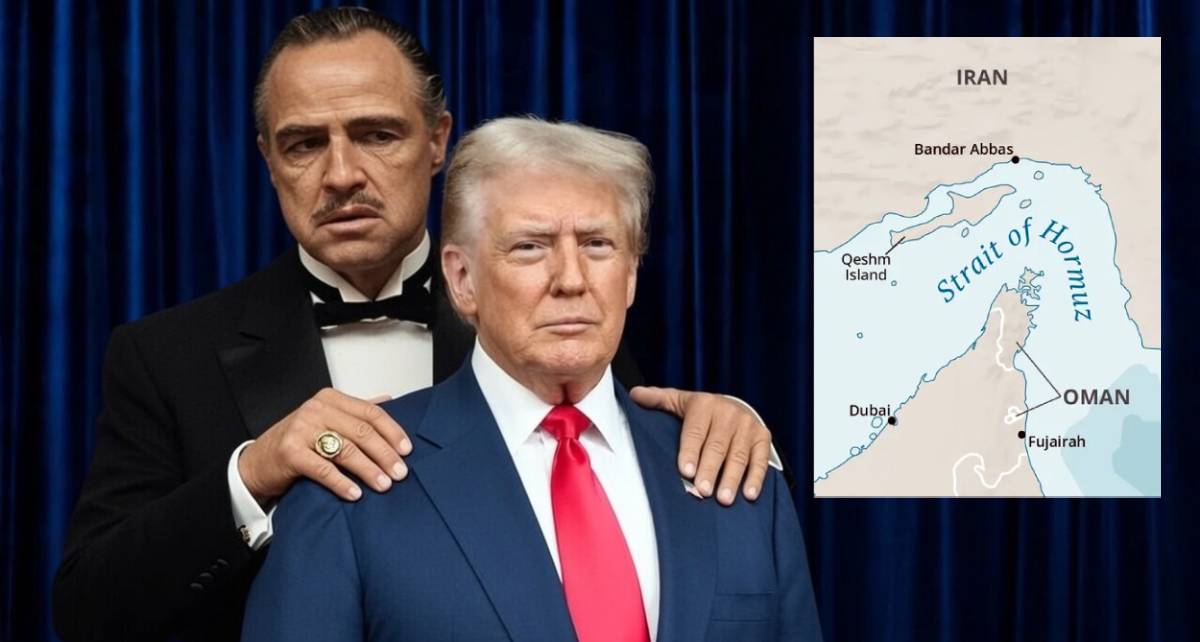
”Don” Trump has declared that the U.S. will act as the ”Guardian of the Hormuz”, and is proposing to charge a 20% fee on cargo transiting the waterway to cover security costs. He also urged Saudi Arabia, the UAE, Qatar, Bahrain, and Kuwait hosting U.S. bases, to reimburse the U.S. for its ”protective role”.
The announcements come as U.S. forces continue strikes on Iranian targets for a third night, while Iran has launched attacks on U.S. bases in the region and struck tankers in the strait, disrupting global oil shipping.
In a Truth Social post, Trump stated:
“The Hormuz Strait is OPEN, and will remain OPEN, with or without Iran. We are reinstating THE IRANIAN BLOCKADE.” He added that the U.S. would be known as “THE GUARDIAN OF THE HORMUZ STRAIT,” but “as a matter of FAIRNESS, will be reimbursed, at the rate of 20% on all cargo shipped, for any and all costs necessary to do the job of providing safety and security to this very volatile section of the World.”
Trump has also said the U.S. will “keep the strait, and we’ll probably run it,” and described America as potentially the “guardian angel of the strait.”
On the reimbursement from Gulf allies, Trump emphasized that the U.S. is protecting “a very rich portion of the world” while spending significant funds.
“I want to be reimbursed because we are protecting a very rich portion of the world. We are spending money. We will be reimbursed by the countries we are helping, like the five countries. You have Saudi Arabia, you have the UAE, you have Qatar, Bahrain, Kuwait, and others,” he said in remarks widely shared on social media.
The Strait of Hormuz is the narrow waterway between Iran and Oman through which roughly 20% of global oil trade passes. Recent Iranian actions, including missile and drone attacks on tankers and threats to close the strait, have sharply reduced vessel traffic and driven oil prices higher.
The U.S. has also moved to enforce a naval blockade of Iranian ports and coastal areas, effective at 2000 GMT on July 14, while allowing neutral transit and humanitarian shipments subject to inspection.
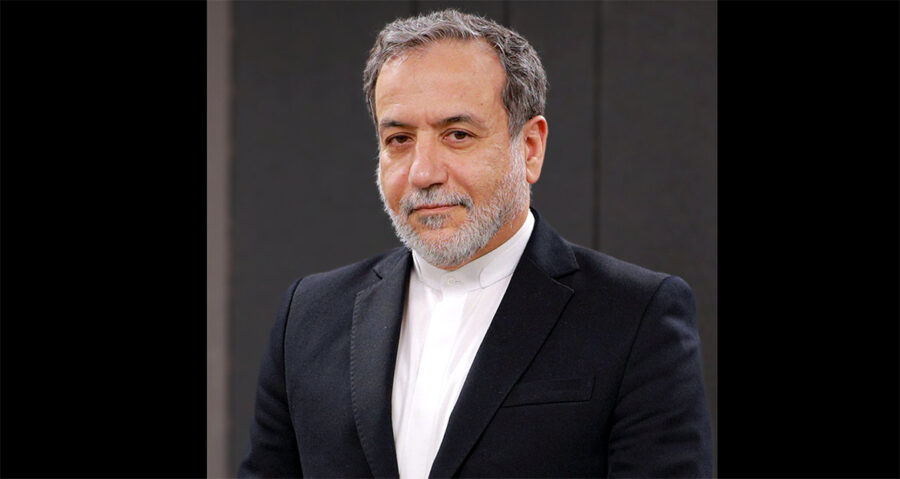
Iran has rejected the U.S. role, with Foreign Minister Abbas Araghchi stating that Tehran remains the “guardian of the strait forever” and that the U.S. “has no role in the strait and will not be allowed to intervene.”
Araqchi responded to the proposed fee by saying, “20% is, of course, too much. We will be fair.”
The United Nations shipping agency has opposed any fees or tolls on international straits, citing a lack of legal basis under international law for mandatory charges on transit passage.
Oil prices have risen sharply in response to the disruptions, with Brent futures climbing more than 9% at one point. Shipping through the Strait dropped significantly in recent days.
Trump’s comments on Gulf state payments align with reports from multiple outlets covering his remarks tied to the ongoing regional tensions that began with U.S. and Israeli military operations against Iran in February 2026.
The proposals mark a significant escalation in U.S. policy toward the waterway, combining military enforcement with an economic mechanism to fund operations.
Sources and related
- BBC: Trump reverses threat of 20% fee on Strait of Hormuz cargo as US prepares to resume Iran ports blockade
- Congress.gov: Iran Conflict and the Strait of Hormuz: Impacts on Oil, Gas, and Other Commodities
- CNBC: Trump proposes 20% toll on cargo through Strait of Hormuz; restarts Iran blockade
- Sulaiman Ahmed (journalist): update 12:56 fm · 14 juli 2026
- Reuters: U.S. military renews strikes on Iran while tankers come under attack in Strait of Hormuz
- NewsVoice: war and peace