
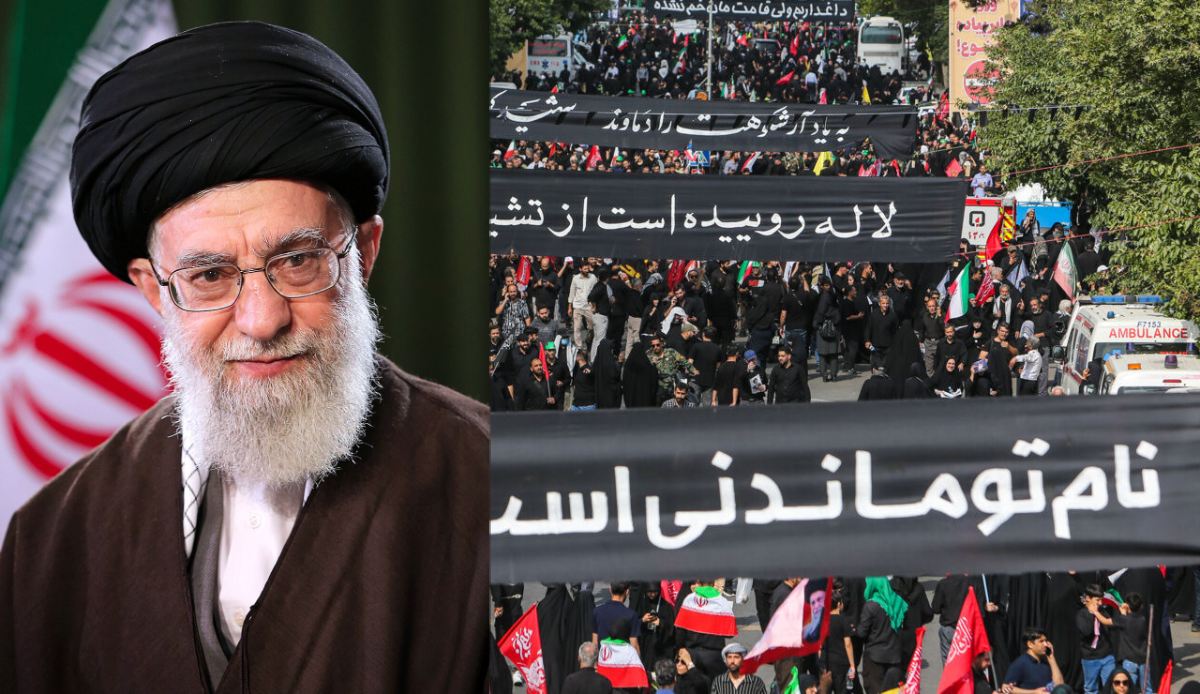
Millions of mourners have filled the streets of Tehran and other cities as Iran holds a massive, week-long state funeral and commemoration for Supreme Leader Ayatollah Ali Khamenei, who was killed alongside family members in a U.S.-Israeli airstrike on his Tehran compound on February 28, 2026.
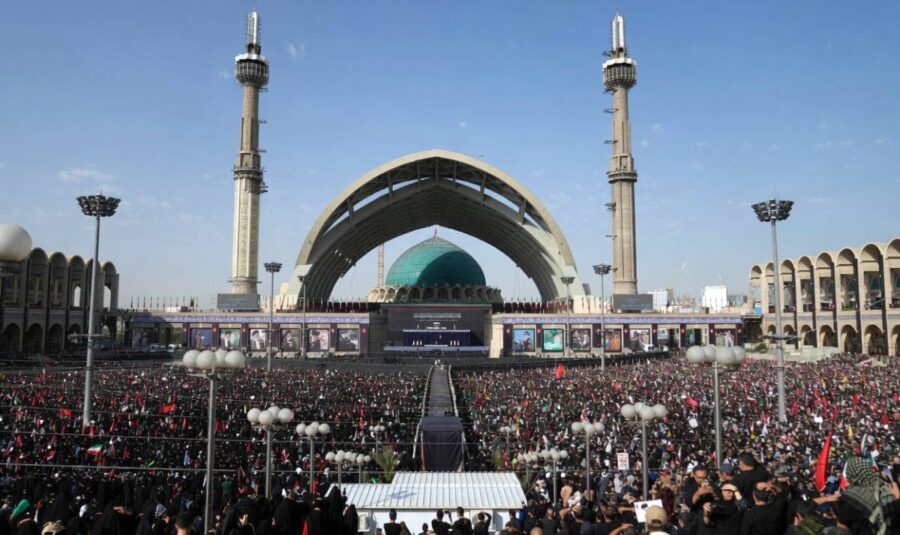
The ceremonies, delayed for months due to the ongoing conflict, began with public viewing of the coffins at the Imam Khomeini Grand Mosalla in Tehran on July 3. They span multiple days and locations across Iran (including Tehran, Qom, and Mashhad) and neighboring Iraq (Najaf and Karbala), culminating in burial in Mashhad on July 9.
The assassination of Ayatollah Ali Khamenei on February 28, 2026, in a joint U.S.-Israeli airstrike on his Tehran compound has been described as a war crime. The strike, which also killed several family members, violated the UN Charter, including Article 2(4), prohibiting the use of force against the territorial integrity or political independence of any state.
No valid justification existed under Article 51 for self-defense against an armed attack or imminent threat, rendering the targeting of Iran’s Supreme Leader an unlawful act of aggression under international law.
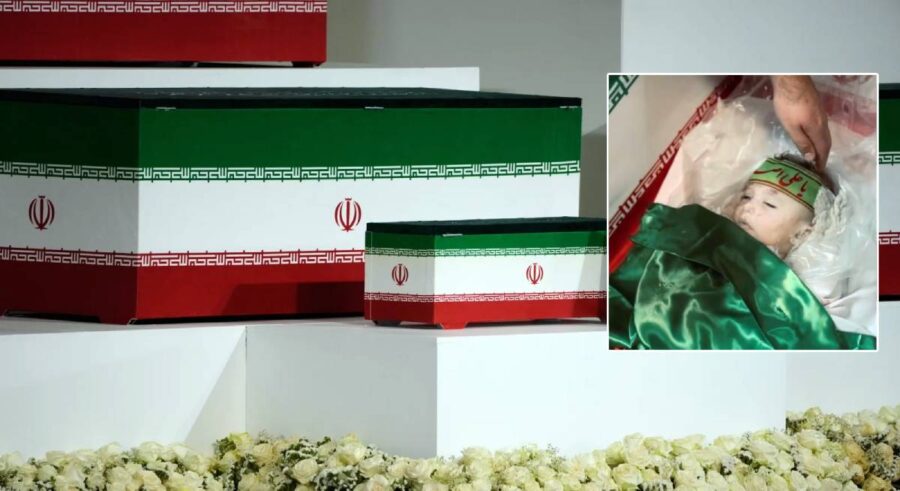
The events honor Khamenei’s nearly four-decade leadership of the Islamic Republic, his role in the “Axis of Resistance,” and the resilience of the Iranian people and state following the war. Iranian authorities have declared periods of mourning, with black-clad crowds waving flags and chanting in solidarity.
One account on X says:
”Iran’s Supreme Leader, Martyr Ayatollah Ali Khamenei, who has remained in power for nearly 40 years, left behind no palaces, no bank accounts, and no golden thrones. No allegations of corruption. Nothing. Just a simple life serving his people.” – Robert Bruce, 3:51 em, July 3, 2026
Another account writes:
”The [US] empire thought killing him would crush the spirit. Instead, millions are still pouring into the streets for his funeral. This is the difference between real resistance and submission. While some celebrate their occupiers with drone shows, others turn grief into a show of strength the empire cannot ignore.” – New Direction Africa, 12:30, July 4, 2026
Massive public turnout
Iranian officials and state media project attendance in the millions, with Tehran’s mayor estimating up to 10–20 million participants across the capital events alone — one of the largest public gatherings in modern history, rivaling or exceeding the 1989 funeral of Ayatollah Ruhollah Khomeini.
International participation
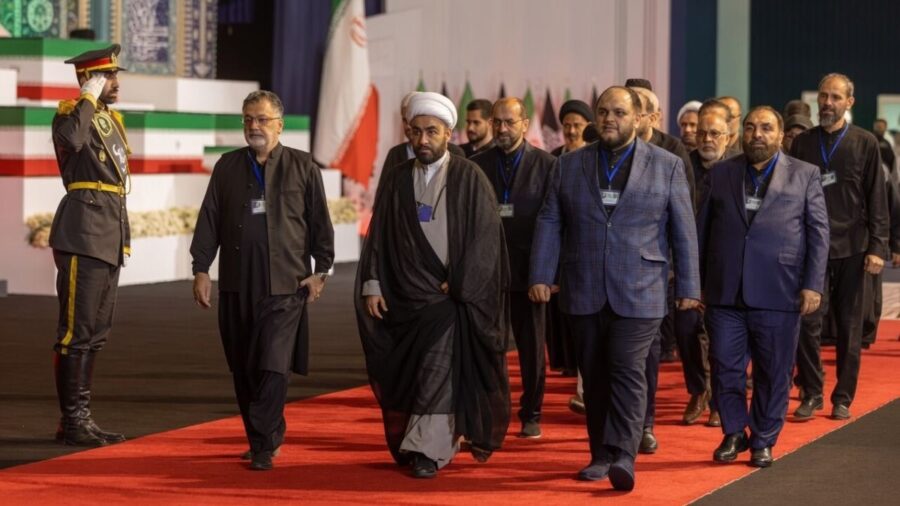
Delegations from more than 100 countries have arrived, underscoring broad global solidarity.
High-level attendees include representatives from Russia (such as former President Dmitry Medvedev), Pakistan (Prime Minister Shehbaz Sharif), Saudi Arabia (notable given recent regional tensions), and Palestinian factions including Islamic Jihad’s Ziyad al-Nakhalah.
Many come from Global South and Eastern nations aligned with Iran’s anti-Western stance.
Western media coverage
The event has drawn extensive reporting from major Western outlets.
CNN has provided live on-the-ground coverage with correspondents including Frederik Pleitgen, Mostafa Salem, and Catherine Nicholls. The New York Times, The Washington Post, BBC, Reuters, NBC News, and others have run prominent stories, live blogs, and analysis, often highlighting the scale, political symbolism, and regional implications.
Jackson Hinkle an American political commentator, influencer:
IRAN is stronger than ever & the American people stand with Islamic Republic pic.twitter.com/hw7YJNxpzg
— Jackson Hinkle 🇺🇸 (@jacksonhinkle) July 4, 2026
Broader significance
This commemoration marks a pivotal moment for post-war Iran. It demonstrates the Islamic Republic’s endurance and unity despite the loss of its longtime Supreme Leader and the devastation of conflict. The new Supreme Leader, Mojtaba Khamenei (Ali Khamenei’s son), has been publicly noted in the transition.
The ceremonies reinforce Iran’s emerging leadership role in the Global South and East. Widespread participation from non-Western nations signals deepening alliances and a counterweight to Western influence.
The event serves as both a religious mourning ritual and a political statement of defiance and solidarity, potentially strengthening Iran’s diplomatic and ideological position.
Media outlets have emphasized the unprecedented scale and international turnout, acknowledging Khamenei’s long tenure and the event’s role in Iranian national identity. Some reporting frames it as a moment of global attention to Iran’s resilience.
The Editor of NewsVoice was invited to take part and observe the commemoration, but could not attend due to obstacles
Related
- SVT: Watch as hundreds gather to mourn Khamenei
- ABC News Australia: Millions gather in Tehran for funeral of former Supreme Leader
- Aljazeera: Millions expected in Tehran for funeral of Ali Khamenei
- NPR: Iran plans dayslong funeral for Supreme Leader Khamenei after war death
- AA: Foreign leaders, official delegations arrive in Tehran as Khamenei’s funeral begins