
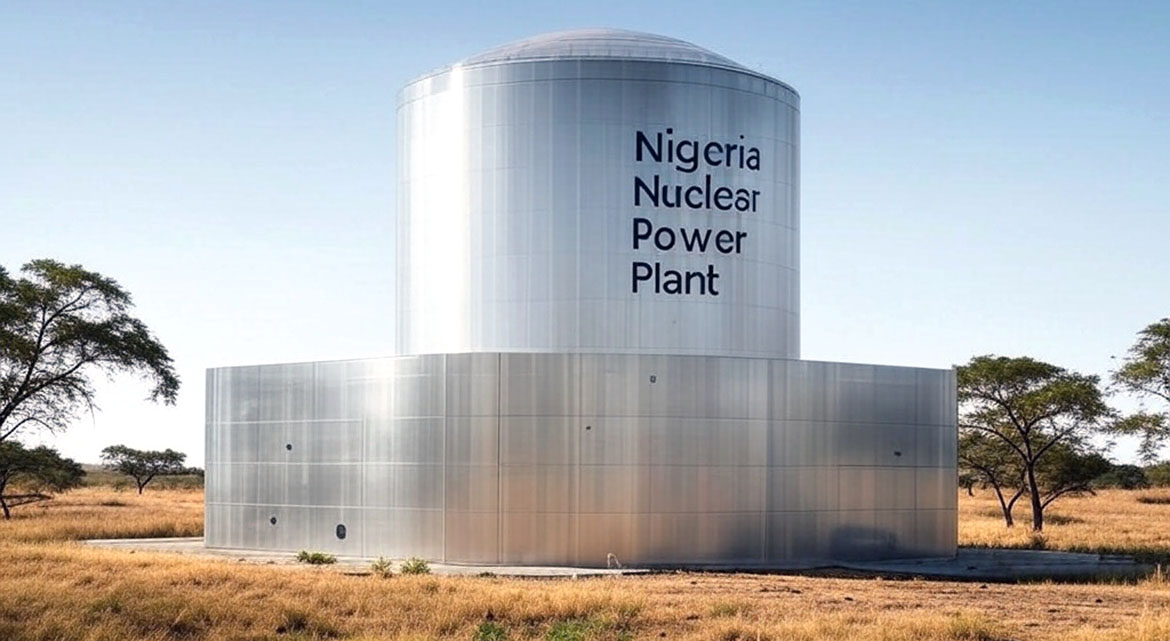
Africa’s pursuit of nuclear energy is gaining momentum, with Nigeria at the forefront. The country’s collaboration with China could significantly alter the geopolitical landscape, potentially diminishing France’s traditional influence in the nuclear sector across the continent.
Nigeria has long aspired to harness nuclear energy. Recent developments have seen the country strengthen ties with China, aiming to construct Nigeria’s first nuclear power plant.
The Africa Report writes that this partnership is part of a broader strategy to diversify energy sources and reduce dependency on fossil fuels, which are both environmentally detrimental and subject to volatile market prices.
China’s role and France’s position
China has become a key player in global nuclear technology, offering competitive solutions and substantial financial backing through initiatives like the Belt and Road. The collaboration with Nigeria includes technical support and the transfer of nuclear know-how, which could position Nigeria as a leader in nuclear technology in Africa.
France, traditionally a dominant force in Africa’s nuclear industry, mainly through its company Areva (now Orano), finds itself at a crossroads. With China’s increasing involvement, France might see its influence wane unless it adapts its strategies. French nuclear expertise has been pivotal in countries like South Africa, but China’s competitive edge could shift allegiances.
Geopolitical Implications
The partnership between Nigeria and China could have broader implications beyond just energy. It signifies a shift in geopolitical alliances, potentially challenging France’s diplomatic and economic influence in West Africa.
This dynamic could lead to reevaluating French foreign policy in the region, emphasizing technology transfer, economic partnerships, and perhaps more competitive pricing.
Environmental and Economic Considerations
- Nuclear power offers a low-carbon alternative to coal and oil. However, concerns about nuclear safety, waste management, and proliferation remain significant.
- The financial aspect includes not just the cost of construction but also long-term maintenance and eventual decommissioning. Due to lower initial costs and financing options, China’s involvement might make these projects more feasible for Nigeria.
As Nigeria moves closer to realizing its nuclear ambitions with Chinese assistance, the landscape of international atomic cooperation in Africa is changing. France must innovate and adapt to maintain its relevance. The outcome of this shift could redefine energy policies, international relations, and environmental strategies across the continent for decades to come.
Russia can also assist Africa
Russia’s state nuclear corporation, Rosatom, offers floating nuclear power plants (FNPPs) to solve Africa’s energy challenges. The Africa Report writes that these mobile atomic reactors can be deployed to provide power in remote areas or disaster-stricken regions without extensive infrastructure.
Rosatom’s initiative includes the Akademik Lomonosov, which has already been operational in Russia’s far north.
By deploying these units, Rosatom aims to address Africa’s chronic power shortages, support economic development, and offer an alternative to traditional, land-based nuclear power plants, which are costlier and take longer to build.
Summary by T. Sassersson, NewsVoice.se
Sources and related
- The Africa Report: Africa’s nuclear ambitions: Will China’s partnership with Nigeria leave France in the dark?
- The Africa Report: Russia’s Rosatom floats nuclear reactors to answer African woes
- Vattenfall.com: How SMRs could be the future of nuclear power