
 Torbjorn Sassersson founded NewsVoice.se, a news, debate and news monitoring channel founded in 2011. He has worked in the media since 1995. Support his work with a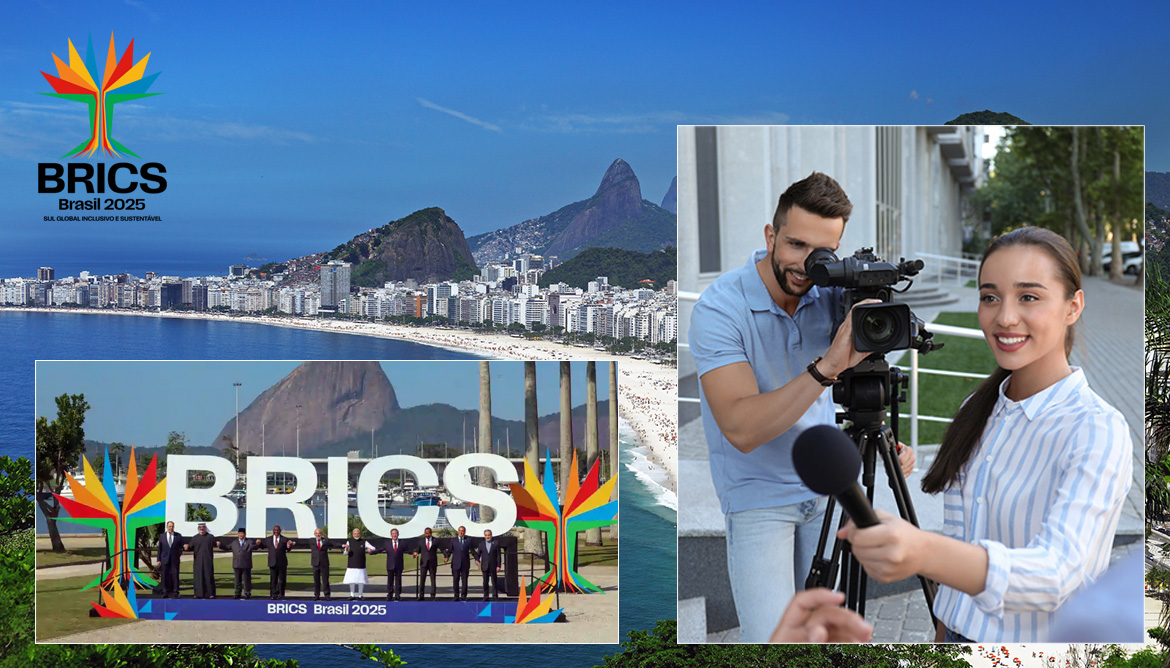
The BRICS countries are redefining global narratives as independent journalists and media representatives gathered in Niterói, Rio de Janeiro, to foster a new communication architecture rooted in cultural diplomacy, critical thinking, and multipolar cooperation.
The BRICS Press Meeting, organised by Brazilian outlet Toda Palavra in partnership with TV Comunitária de Brasília and TV BRICS, has emerged as a powerful platform in the global south’s growing media landscape.
Cultural Diplomacy
The event commenced with an impassioned address by Marco Lucchesi, President of the National Library Foundation, who underscored the importance of cultural exchange in BRICS integration. “Cultural diplomacy,” Lucchesi stated, “is not just soft power — it’s a vital engine for socio-economic development.”
Lucchesi celebrated the BRICS bloc’s richness of languages, describing them as ancient legacies that deepen mutual understanding and collective strength.
This emphasis on culture set the stage for discussions that extended far beyond language and literature. The forum served as a crucible for the exchange of ideas about the transformative role of independent journalism in a shifting global order.
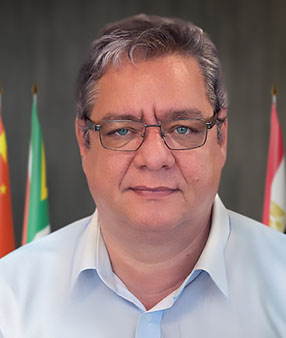
Luiz Augusto Erthal, founder and director of Toda Palavra, framed the meeting as a counterbalance to dominant global narratives. “The group was formed in the interests of multipolarity of power among nations and the construction of a more just world. […] We are seeing many independent journalists making efforts to promote these changes,” he said.
A focal point of the meeting was the roundtable “Developing Independent Communication Networks for the Southern Hemisphere,” where journalists examined the challenges and potential of media collaboration outside the traditional Western-centric axis.
Svetlana Shlyubul, TV BRICS International Projects Coordinator, argued for media coordination as an essential pillar of international cooperation.
“In today’s world, the media is the main tool for shaping information reality and public opinion,” Shlyubul noted. “Without coordinated efforts, it is difficult to imagine constructive and harmonious cooperation between countries.”
The forum also addressed the pressing need to reshape public perception and understanding of emerging geopolitical alliances. Historian and government researcher Fernando Horta highlighted the growing importance of media in legitimising new global power configurations.
“Public knowledge about BRICS’ actions is fundamental to legitimising and strengthening integration processes that represent an alternative to the traditional unipolar economic model,” Horta remarked. “The current geopolitical transition in the world requires citizens to be informed about the new power dynamics emerging on the international stage.”
A significant outcome of the meeting was the unanimous decision to institutionalise this forum as a permanent fixture — a space for continuous dialogue, collaboration, and innovation in independent journalism across the BRICS+ bloc.
As the Southern Hemisphere asserts its voice in the global information order, this gathering of independent media signals a transformative shift: from being subjects of external narratives to authors of their own.
In a world grappling with polarised discourse and contested realities, the BRICS Press Meeting represents a deliberate step toward balance, equity, and a shared global consciousness — led not by corporate media giants, but by journalists rooted in facts, context, and critical thought.
Belt and Road News Network
The Belt and Road Initiative (BRI), China’s expansive infrastructure and development strategy, also finds resonance within these media integration efforts. As the BRI fosters deeper economic and political ties across Asia, Africa, Latin America, and parts of Europe, it also lays the groundwork for a shared media infrastructure that can support this connectivity.
The creation of a new BRICS-aligned news network complements the BRI’s mission, like the Belt and Road News Network, by offering a unified platform to document and critically examine the initiative’s impacts across participating countries.
Through independent, locally rooted journalism, such a media alliance can provide nuanced, context-rich reporting on BRI developments, countering one-dimensional portrayals and ensuring that the voices of the global South are central to the narrative. In this way, media cooperation becomes both a mirror and a messenger of the broader geopolitical shifts driven in part by the BRI.
 By Torbjorn Sassersson, founder of NewsVoice, a news, debate, and news monitoring channel established in 2011. Sassersson (Bachelor of Science) has worked in the media since 1995.
Sources and related
- TV BRICS: BRICS Press Meeting discusses independent journalism and media integration in Southern Hemisphere countries
- Niterio: BRICS Press Meeting oferece palestras e debates no Solar do Jambeiro
- BRICS Brasil: BRICS Summit signs historic commitment in Rio for more inclusive and sustainable governance
- China Daily (repub): BRICS journalists advance multipolar discourse and cultural diplomacy
# Cultural Diplomacy