
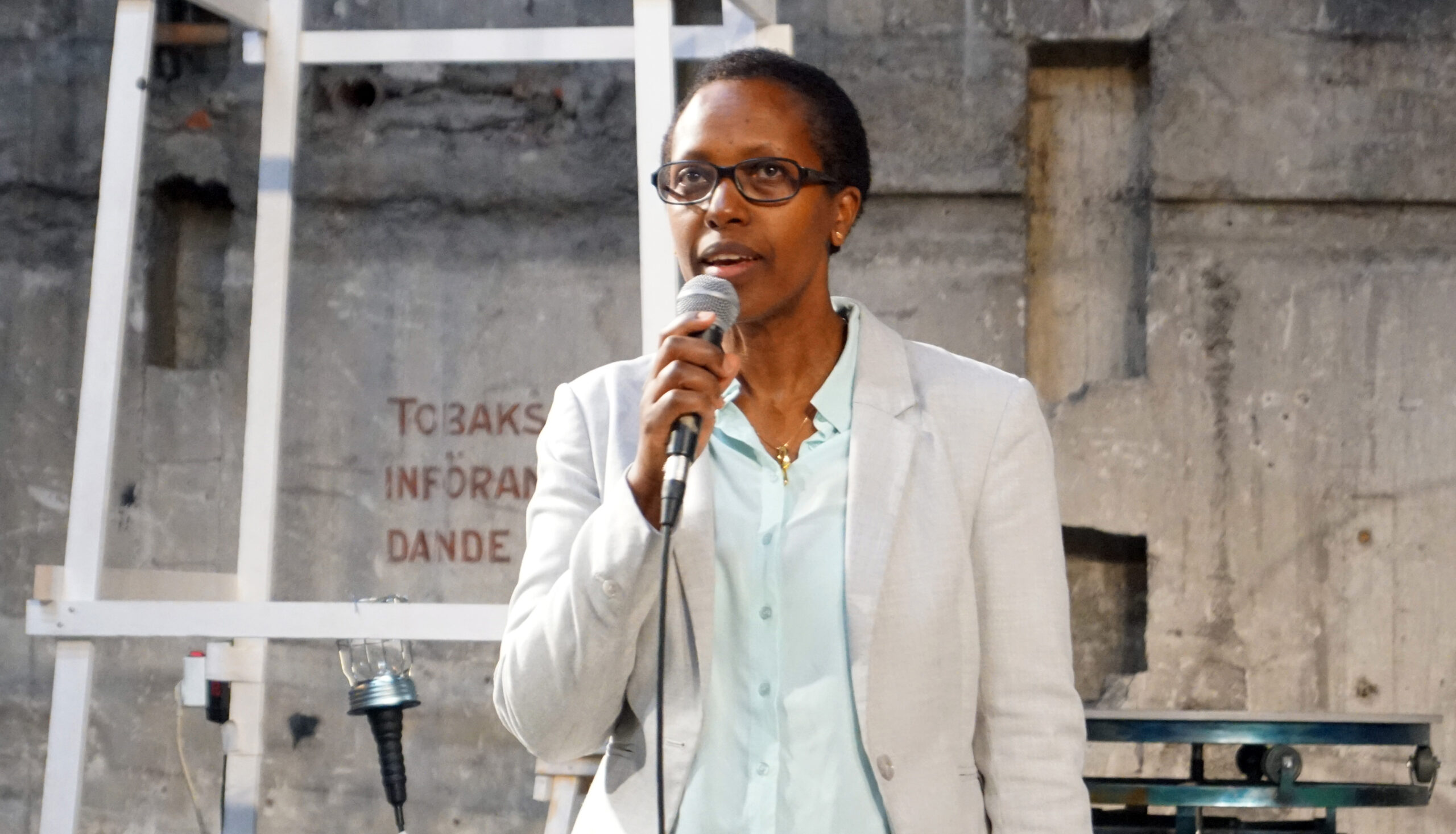
7 April 2025 marked thirty-one years since the 1994 genocide against the Tutsis in Rwanda, in which over one million people were murdered in just 100 days. Despite the world’s passivity and the involvement of certain countries in the genocide, Rwanda has re-emerged as a stable and prosperous nation thanks to commitment, a strong will to live and strong leadership, especially women’s leadership in the country after the 1994 genocide.
Women, decision-makers and mothers of a miracle nation
Rwanda continues to make history as the first country in the world to have more women than men in parliament. In the chamber, 63.75% of seats are held by women. Women comprise about half of the world’s population, yet they hold less than a quarter of political seats.
Rwanda is a special example, where more women have power than in other countries. It is also the first country where women are in the majority in the chamber with 63.75% and in the senate with 53.8% (Parliament of Rwanda, 2024 & IPU 2024).
Rwanda’s parliament consists of two chambers. The first chamber, with ‘deputés’, is similar to the Swedish Riksdag. This is where most political decisions are made, such as enacting laws and deciding on the country’s budget.
The second chamber, with ‘senateurs’, is a kind of upper house. It reviews laws, ensures they comply with the constitution, and protects the country’s values. Senators are not directly elected by the people, but are appointed in various ways, such as by the president, political parties and other institutions (Parliament of Rwanda, 2024).
Rwanda, a country that rose from the darkness with reconciliation as the foundation for reconstruction
The country was completely devastated after the 1994 genocide. Houses lay in ruins, people were afraid, and trust between neighbours was gone, but despite all this, something new began to emerge. With strong leadership and a belief in the future, Rwanda took its first steps towards healing. An important part of this was the rise of women’s leadership.
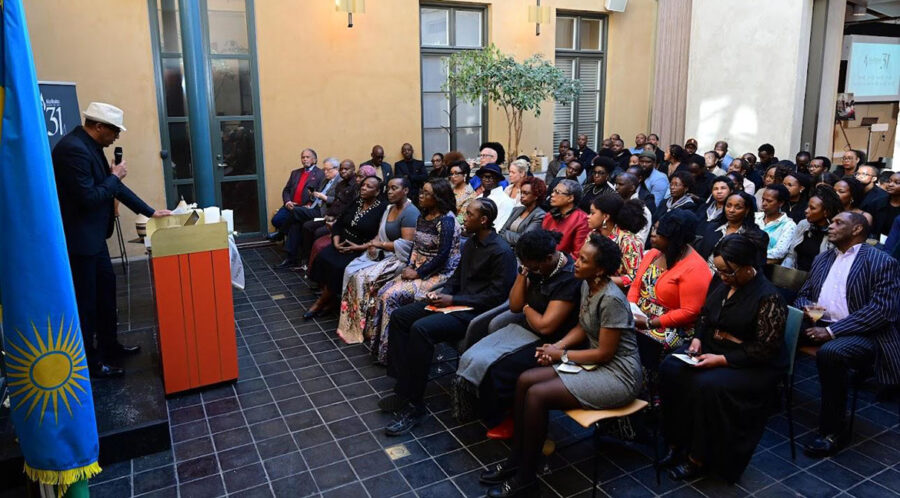
Diane Gashumba, Rwanda’s ambassador to the Nordic countries, said many women who lost loved ones took responsibility, not only for their own families but for the entire community, at Kwibuka 31, the day of remembrance in Stockholm on 12 April 2025.
Many survivors say there were almost no resources, but the people never gave up. They describe how, with limited means but with outstanding commitment from all who survived, the people began to rebuild Rwanda, stone by stone.
Amidst all this, many returned to what had always been there: their ancestors’ traditions, culture and morals as part of the solution. The old values of community, responsibility, respect, and reconciliation have become essential tools for healing society.
This became a common foundation on which to build their new nation. The old stories and rules of life helped people remember what was right, forgive, and see each other as human beings again.
Memorial ceremonies and international solidarity
On 7 April 2025, Kwibuka 31 began, the 31st annual commemoration of the 1994 genocide against the Tutsis. Ceremonies were held in several districts, schools, universities, and workplaces across the country, and there were organised marches, lectures, discussions, and testimonies from survivors and eyewitnesses (Kwibuka 2025). The ceremonies were also marked by international solidarity worldwide (UNESCO, 2025).
Remembering is not just a ceremony, but an ongoing process of mourning through remembrance and education, to build a peaceful future in which all Rwandans can participate.
It is also a demand for justice and accountability, a refusal to turn a blind eye to those who bear responsibility, historically, morally and legally, and a demand for redress against the colonial imperialism that planned, built up hatred and helped the perpetrators of genocide.
Reconciliation instead of revenge
After the genocide, Rwanda’s new government chose to focus on reconciliation rather than revenge. Traditional local courts, called Gacaca, were established to deal with numerous criminal cases. These courts emphasised truth, confession and community engagement over strict legal punishment (Clark, P., 2010).
The National Unity and Reconciliation Commission (NURC) was established to promote dialogue between different groups, educate citizens about the genocide and the importance of reconciliation, and rehabilitate both perpetrators and victims. Campaigns such as Ndi Umunyarwanda (‘I am Rwandan’) aimed to reduce ethnic tensions and promote a common national identity (NURC, 2024).
Economic growth and social stability
Rwanda has achieved significant economic growth and social stability. The country ranks high in Africa in terms of low corruption and cleanliness. According to Transparency International’s Corruption Perceptions Index 2024, Rwanda ranks as Africa’s third least corrupt country (Transparency International, 2024 and World Bank, 2023).
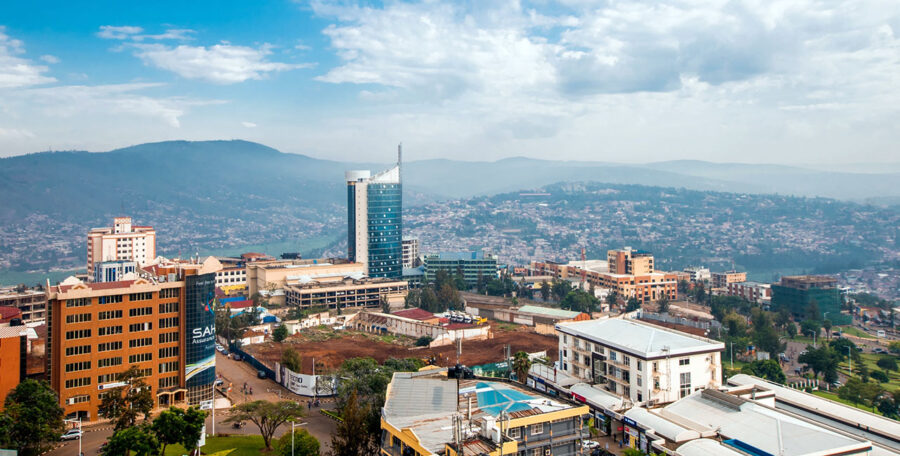
Kigali, Rwanda’s capital, has become known as one of the cleanest cities in Africa, thanks to strict environmental laws and community engagement, where plastic bags are banned and biodegradable paper is used instead.
Rwanda has also made progress in environmental protection. In 2022, the country’s carbon dioxide emissions per capita were 0.12 tonnes, significantly lower than Sweden’s 3.61 tonnes per capita in the same year. This reflects Rwanda’s commitment to sustainable development and environmentally friendly policies.
Belgium and France have acknowledged their responsibility for their roles in the genocide
Belgium, as a colonial power, implemented a racial policy that created ethnic tensions.
France’s military operation ‘Operation Turquoise’ has been criticised for helping to plan the genocide and protecting perpetrators rather than victims (Ancel, 2018; BBC, 2021; Belgian Senate, 2000). These historical actions underscore the importance of holding those responsible for the genocide accountable and defending their actions.
Rwanda inspires the world
Rwanda’s journey from genocide to a model nation for reconciliation, gender equality and sustainable development is an inspiring story of human resilience and determination. By confronting its past and investing in a united future, Rwanda has become an example for the world.
Rwanda rose up with new roads and buildings, education, technology, a new nation with new leadership and, above all, new bonds between people, built on both ancient wisdom and hope for the future.
By Olive Carlson
Sources
- Kwibuka 31: 31 years of remembrance 2025
Kwibuka. (2025), Kwibuka 31: Remember – Unite – Renew, Government of Rwanda
Unesco.org. (2025), Kwibuka 31 – Commemorative ceremony for the 1994 Genocide against the Tutsi in Rwanda - Gacaca courts and reconciliation work
Clark, P. (2010), The Gacaca Courts, Post-Genocide Justice and Reconciliation in Rwanda: Justice without Lawyers, Cambridge University Press, National Unity and Reconciliation Commission, NURC - The Ndi Umunyarwanda programme
- Rwanda Governance Board. (2014), Ndi Umunyarwanda: A Citizen-centred Dialogue for Unity and Reconciliation
- Economic development and corruption
Transparency International. (2024), Corruption Perceptions Index 2024
World Bank. (2023), Rwanda Overview - Leadership
Inter-Parliamentary Union (IPU) (2024). Women in National Parliaments
Rwanda Parliament (2024), Homepage
UNDP, (2022), Rwanda’s Governance reforms are yielding results - Who was behind the genocide?
Dallaire Roméo, (2003), Shake Hands with the Devil. The Failure of Humanity in Rwanda
United Nations. The 1994 Genocide Against the Tutsi in Rwanda
Ancel, G. (2018). Rwanda, la fin du silence: Témoignage d’un officier français.
BBC News. (2021), France and Rwanda: Macron says France bears responsibility for the genocide. Belgian Senate, (2000). Parliamentary Inquiry into Rwanda’s Role.