
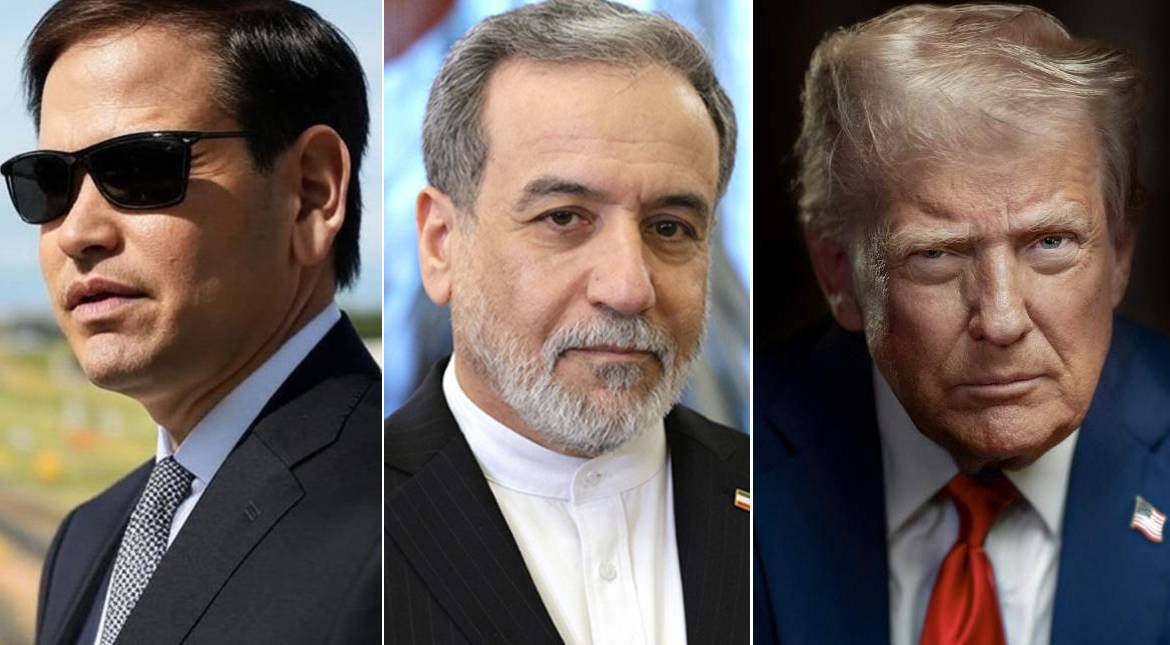
President Donald Trump has abruptly paused ”Project Freedom”, the US military operation launched only two days earlier to escort commercial ships through the Strait of Hormuz, in a reversal that caught even his own cabinet off guard.
Announcing the halt on Truth Social Tuesday evening, Trump cited a request from Pakistan and ”great progress” towards a complete and final agreement with Tehran, while proclaiming that a naval blockade of Iranian ports would remain in effect.
The move contrasts with Trump’s warning to Iran at the beginning of Project Freedom, framing it as a matter of life or death for thousands of stranded civilian sailors and was supposed to put the US in full control of Hormuz shipping lanes:
If, in any way, this Humanitarian process is interfered with, that interference will, unfortunately, have to be dealt with forcefully.
The American stand-down order came hours after Secretary of State Marco Rubio briefed the media on the operation as the next phase of the campaign, and just one day after the mission began, with Rubio insisting:
This is not an offensive operation, this is a defensive operation. There’s no shooting unless we’re shot at first.
From the other side of the Strait, PressTV reports Iran has officially launched a new mechanism for governing maritime traffic through Hormuz — meaning Tehran now controls who may transit, reportedly everyone except the US and Israel.
The US military operation, this time labelled ”Project” rather than ”Operation”, had stumbled badly from the start. The UAE reported being struck by ballistic missiles, cruise missiles and drones from Iran, while CENTCOM vehemently denied widely circulated reports that a US Navy destroyer was forced to turn around after coming under Iranian fire.
In the end, only two American-flagged commercial shipping vessels made it through before the US stand-down, leaving roughly 23,000 sailors from 87 countries stranded in the Persian Gulf.
Sources
- The Hill: Donald Trump announces pause on Project Freedom
- CBS News: Trump pauses U.S. mission to guide ships through Strait of Hormuz to see if Iran deal can be struck
- Press TV: Exclusive: Iran launches new maritime mechanism for vessels transiting Strait of Hormuz
- CNN: US and Iranian militaries trade shots as Strait of Hormuz tensions escalate
- UN News: Uncertainty continues over safety in the Strait of Hormuz