
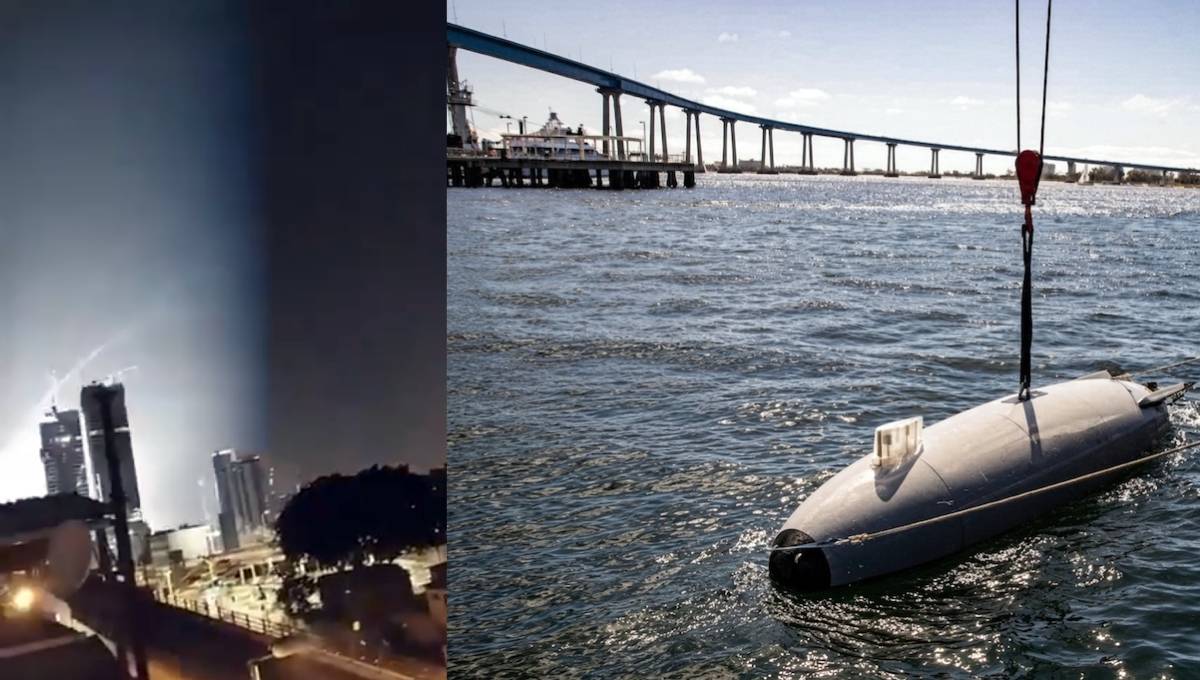
Over the past 30 hours, the U.S. and Iran have again traded blows with ballistic missiles fired at a U.S. hub in Jordan, American strikes on Iranian oil tankers, Iranian attacks on commercial shipping and U.S. warships, and Houthi strikes that pulled Saudi energy sites deeper into the fight.
The latest spiral began after U.S. Central Command claimed Iran’s Islamic Revolutionary Guard Corps had twice targeted a U.S. Navy warship with ballistic missiles. In response, American forces destroyed five Iranian crude carriers under what officials described as a “tanker-for-tanker” policy.
Secretary of State Marco Rubio said Iran would “lose tankers” each time it tried to hit U.S. naval ships.
Iran then launched a ballistic-missile salvo at U.S. forces near Al Azraq in Jordan. Jordan’s military said 20 missiles were fired; 18 were intercepted and two fell in unpopulated areas. Iranian media released video it said showed the launches and heavy damage.
Folk i Jordanien firar att Iran har avfyrat missiler mot de amerikanska militärbaserna i Jordanien. pic.twitter.com/AtDdIthYGt
— T. Sassersson, Editor@NewsVoice.se (@newsvoicemag) September 9, 2026
Tehran also said it struck two U.S. vessels and other ships in the Gulf and Strait of Hormuz.
Washington has framed their strikes (on Iranian tankers) as punishment for those attacks and for earlier attempts to mine or harass traffic in the strait, a chokepoint that has been at the center of the six-month war.
Oil prices firmed on the news but remained below $100 a barrel.
The fighting widened on the Arabian Peninsula. Iran-aligned Houthi forces in Yemen struck Saudi cities and oil-related sites, wounding dozens and setting installations ablaze, according to regional reports. That expanded a conflict that has already repeatedly drawn in Saudi air defenses and U.S. partners.
Iran has confirmed strikes on a CIA headquarters in Saudi Arabia as successful hits against “intelligence and command sites” in the region.
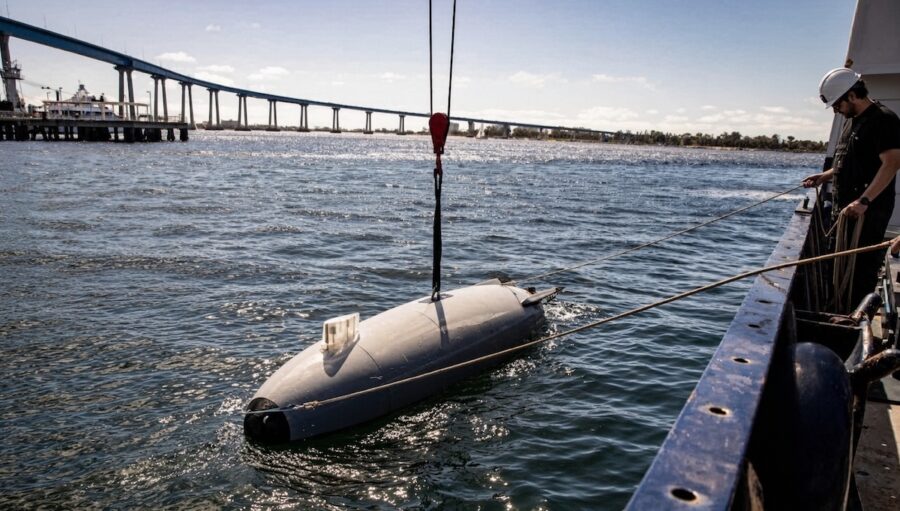
In a separate undersea episode that Tehran presented as a prize capture, the IRGC Navy (which Trump has claimed several times to be totally destroyed) said it seized an advanced Anduril Dive-LD autonomous sub drone at the entrance to the Strait of Hormuz.
Iranian sources and circulating footage described the 5.8-meter U.S.-made drone as capable of operating autonomously for up to 10 days and diving to 6,000 meters, with a modular payload for intelligence, reconnaissance, mine warfare, and seabed mapping. The system was selected for the Pentagon’s Replicator initiative, and the first units were delivered to the Navy’s Unmanned Undersea Vehicle Squadron One in 2025.
U.S. officials confirmed the loss but sharply downplayed it. CENTCOM said the vehicle was an older Dive-LD model that had malfunctioned more than a day earlier and was “dead in the water” while surveying regional waters, just like a dead fish.
Analysts noted that photographs released by Iran match the Dive-LD’s distinctive hull, flood holes, and X-form rudders, and that Anduril has described the class as an “attritable” system designed to be risked in contested waters. The seizure still gives Tehran a rare look at an operational U.S. large-displacement underwater drone used in the Hormuz fight.
Sources
- The Week: Iran captures US underwater drone: 5 Anduril Dive-LD facts for naval warfare buffs
- New York Times: At Least 17 U.S. Sites Damaged in War With Iran, Analysis Shows
- RT: Iran retaliates after US strikes on oil tankers
rt.com/news/645293-iran-oil-tanker-attacks/ - Reuters: Iran retaliates against US allies after its oil tankers destroyed
- IRNA: Iran captures US submarine drone in Strait of Hormuz
- National News: US and Iran hit tankers as six-month war escalates
- Iran International: IRGC says it captured advanced US underwater drone near Hormuz